Buying in Mexico
Clean Title in Baja: Ejido Land and Horror Stories
September 1, 2026 · 4 min read

Every American who looks at property in Baja eventually hears the story: someone bought a beautiful place, and years later armed men showed up with a court order and it was gone.
The story is real. It is also almost always the same story — and it is avoidable, because the thing that went wrong is a thing you can check before you sign.
What actually went wrong
The famous cases involve ejido land.
After the Mexican Revolution, land was distributed to communal farming groups called ejidos. Ejido land is held collectively. An individual ejidatario has rights to use a parcel, but historically could not sell it to whoever he wanted, and certainly not to a foreigner.
Since 1992 there has been a legal process — dominio pleno — to convert ejido land into private property that can be sold normally. Done properly, it is fine. Land all over Tijuana was ejido land once.
The disasters happen when it is not done properly. Someone buys from an ejidatario with a private contract and a handshake, never converts the title, and holds nothing a court will recognize. Years later the ejido, or another claimant, asserts the parcel. The buyer has receipts and no title.
Notice what the buyer skipped: a notary, a title search, and a deed in the public registry.
The three checks
1. Is there a deed in the Registro Público de la Propiedad?
Not a contract. Not a promise. An escritura pública recorded in the state registry, with a folio number you can look up. If the seller cannot produce one, that is not a paperwork delay — that is the whole issue.
2. What does the certificate of no liens say?
The certificado de libertad de gravamen is issued by the registry and states whether the property carries mortgages, liens, seizures or pending litigation. Your notary orders it. It is current only as of its date, which is why it is pulled close to closing rather than months ahead.
3. Does the seller have the right to sell it?
Sounds obvious. It is where inherited property goes wrong: an unfinished succession means the heirs are not yet the owners of record, and they cannot convey what they do not hold. Marital property regime matters too — in sociedad conyugal, both spouses sign, whether or not both names are on the deed.
Why the notary is not optional
In Mexico the notario público is a licensed attorney appointed by the state, with personal liability for the legality of what they authorize. They draft the deed, verify identity and capacity, order the certificates, calculate and remit the taxes, and record the transfer.
This is a different institution from a U.S. notary public, who witnesses signatures. Skipping the Mexican notary is not a shortcut. It is the difference between owning something and having a piece of paper.
You may choose the notary. It is worth choosing, not defaulting to whoever the seller suggests.
Title insurance
Title insurance is available in Mexico and is far less common than in the U.S. Several U.S. underwriters write policies on Mexican property, including on fideicomiso structures. Expect roughly 0.5% to 0.75% of the purchase price, paid once.
It is worth it when:
- The chain of title is long, unclear, or has an ejido conversion in it
- The property was inherited, subdivided, or built without a permit
- You are buying pre-construction and paying before delivery
- The number is large enough that a total loss would matter to you
It is less compelling on new construction from an established developer with clean registry history — the risk you are insuring against is largely already answered.
What it does not cover is worth knowing too: policies typically exclude what you already knew about, boundary problems a survey would have caught, and government action. Read the exclusions before deciding it makes you safe.
Preventa: paying before it exists
Buying off-plan is normal here and can be the best price you will get. It also means paying for something that does not yet exist, which is a different risk than title risk.
Before you commit: confirm the developer owns the land free of liens, that construction and land-use permits are actually issued, and what happens to your money if the project stalls. Ask what has been delivered previously and go look at it. A developer with finished projects you can walk through is telling you more than any brochure.
Get the delivery specification in writing, itemized. In this market it is normal for a headline price to mean bare concrete floors, no kitchen and no closets — that is not a scam, it is a finish level, but only if it was disclosed.
What we do on every property we list
We pull the deed and the certificate of no liens, we confirm the seller's capacity to convey, and we tell you what we found — including when what we found is a problem.
If a property has a title issue we cannot resolve, we say so and we do not list it. That is a shorter catalog and a much shorter list of bad afternoons.
The short version
The horror stories are about people who bought without a notary, without a registered deed, and without a title search — usually from an ejidatario, usually because the price was too good.
Do those three things and you are not in that story. Add title insurance when the history is complicated or the number is large.
Available now
Picked to match what you just read.
Altamira
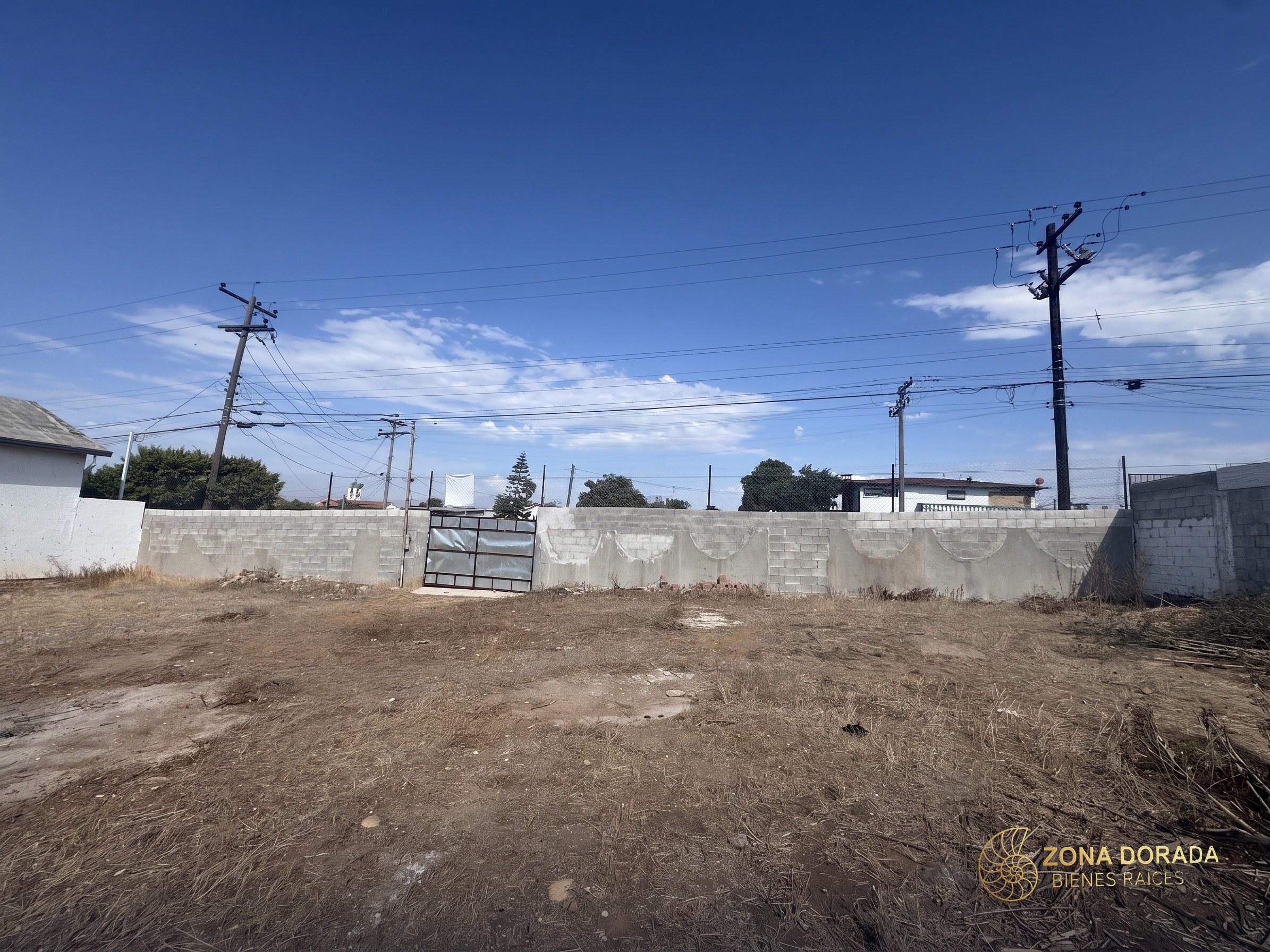
Terreno de 900 m² bardeado y con portón, uso comercial o residencial — Av. Londres, Col. Altamira
$7,632,000
Carretera Escénica
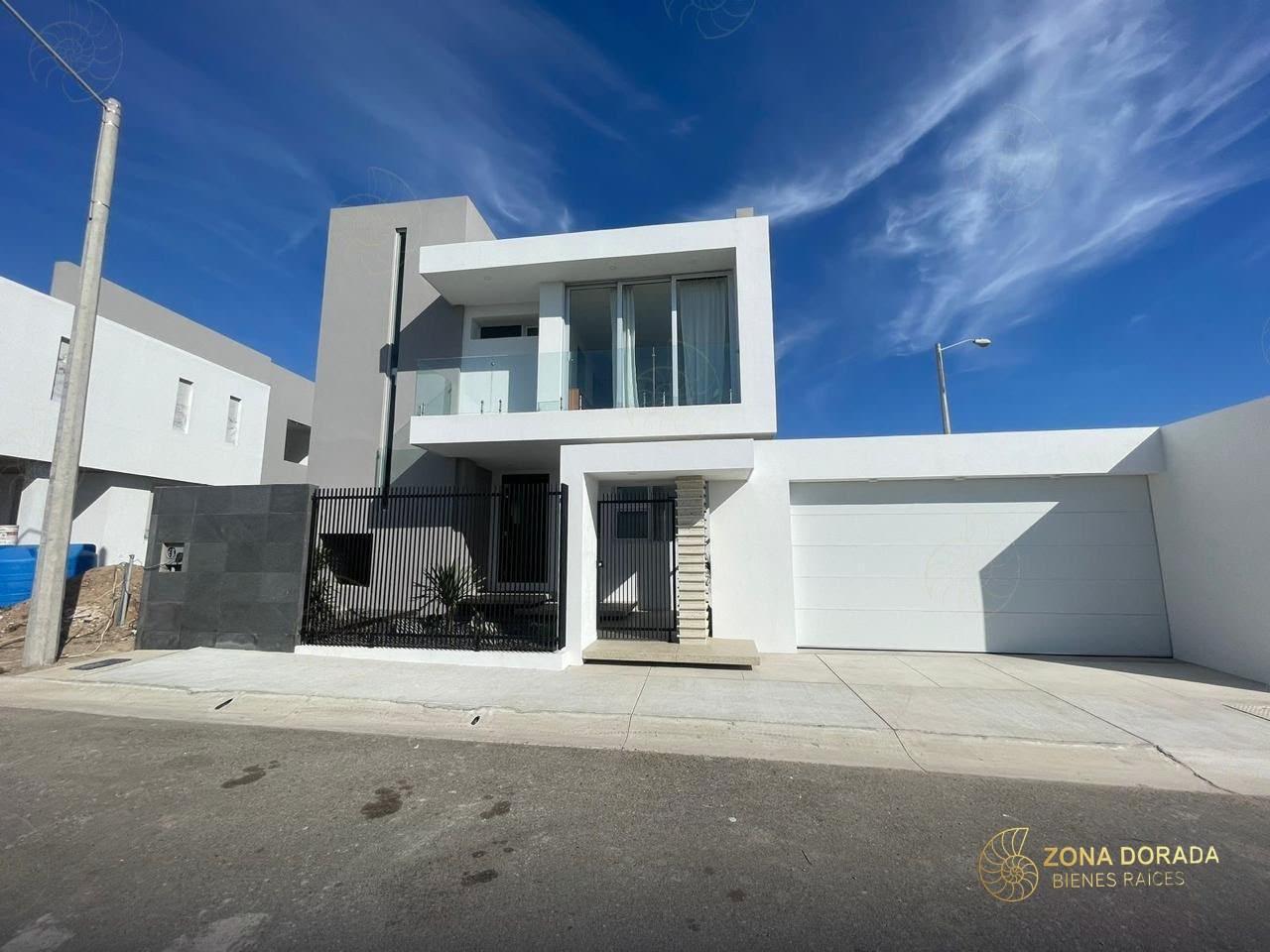
Casa nueva de 165 m² en Sueños del Mar — Carretera Escénica
$7,632,000
Carretera Escénica
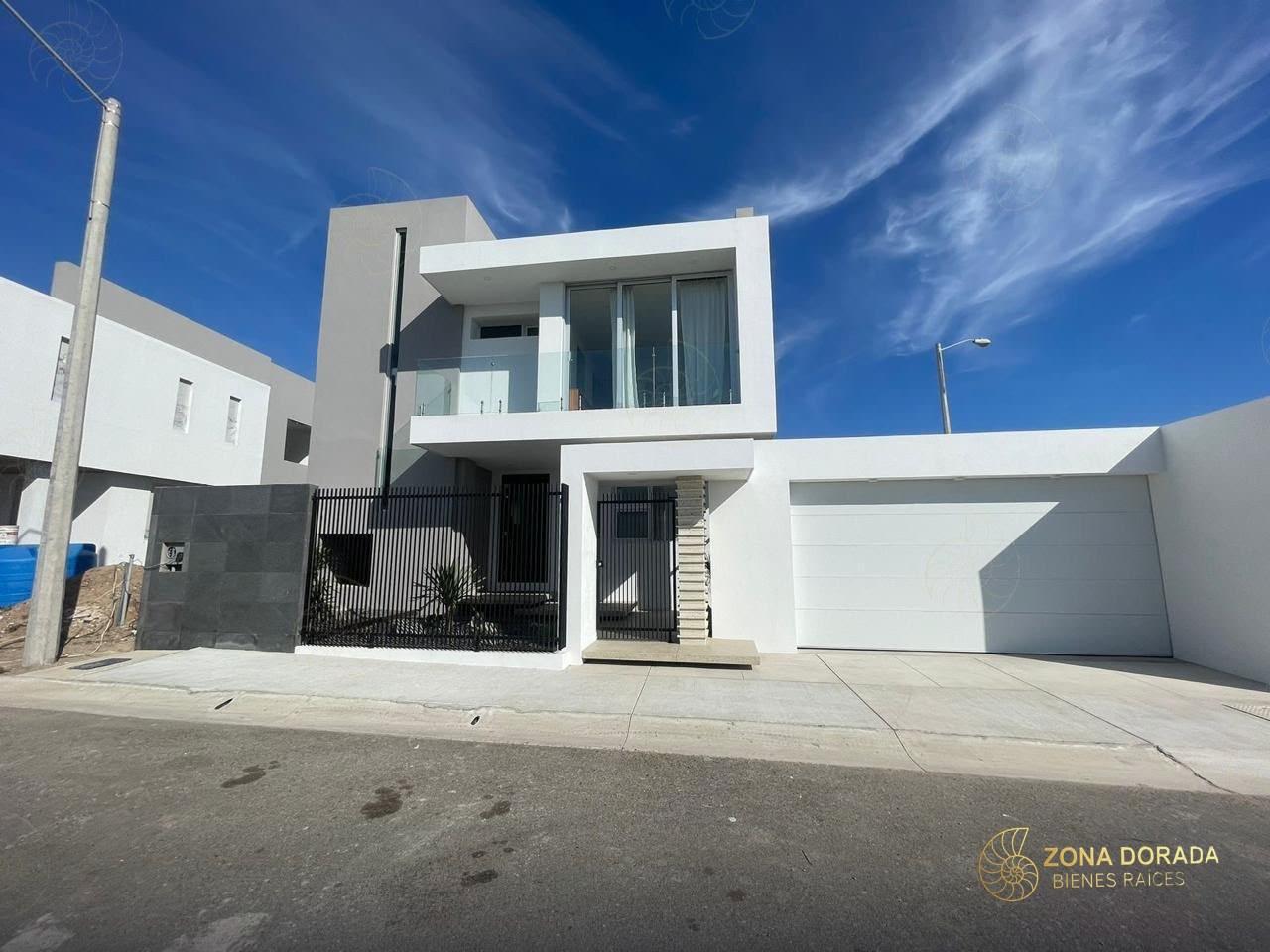
Casa modelo con vista al mar — Sueños del Mar, Lote 13
$8,479,000
Keep reading
Buying in Mexico
New Construction vs. Resale in Tijuana: How to Actually Decide
A headline price on new construction here can mean bare concrete floors, no kitchen and no closets. That is not a scam — it is a finish tier. Four questions that decide it, and what to check before paying for something that does not exist yet.
4 minBuying in Mexico
Buying in Tijuana, Week by Week: What Actually Happens and How Long It Takes
Two to three months is normal. When it runs long it is almost always one of four things — and three of the four are the seller's paperwork, not yours. The full process, week by week.
4 minBuying in Mexico
U.S. Taxes on a House in Mexico
Owning in Mexico does not take you out of the U.S. tax system. FBAR, the fideicomiso reporting question the IRS settled in 2013, rental income in both countries, and the exchange-rate trap when you sell.
4 minQuestions about your case?
Every property and every buyer is different. Tell us your situation and we will tell you what to expect — in English, before you commit to anything.
Or message us: WhatsApp 663 122 9385