Buying in Mexico
Buying in Tijuana, Week by Week: What Actually Happens and How Long It Takes
September 1, 2026 · 4 min read

The thing that makes buying abroad stressful is not the money. It is not knowing where you are in the process, or how much longer, or what happens next.
So here is the whole thing laid out. Timelines assume documents are in order — and the last section is about what happens when they are not, because that is the usual case.
Before you start: two things worth doing early
Get your funds ready. U.S. banks do not lend against Mexican real estate, so most American buyers arrive as cash buyers — often by borrowing against U.S. property first. Doing that takes weeks, and it is much easier before you are under contract than during.
Decide who your notary is. In Mexico the notario público is a state-appointed attorney responsible for the legality of the transaction, not a clerk who witnesses signatures. You may choose. Choosing is better than defaulting to whoever the seller suggests.
Week 1 — Looking
You see properties. Bring questions, not just eyes.
Go back at night to any place you are serious about. Showings happen at midday for a reason, and a street at 10pm tells you things a street at noon does not.
Ask, on the first visit: does this property have a registered deed, is it in the seller's name, has it ever had a mortgage, and is that mortgage formally cancelled in the public registry? That last question saves more time than anything else in this article.
Week 2 — Offer and agreement
You make an offer. When it is accepted, you sign a contrato de promesa de compraventa — the purchase agreement — and place a deposit, typically around 10%.
Three things this document must settle:
- Which exchange rate applies, and on what date. Most deals here are negotiated in dollars and closed in pesos, because the deed must state a peso amount. Someone bears the currency risk between agreement and signing. Write down who.
- What is included. Appliances, minisplits, closets, light fixtures. The argument on delivery day is prevented on contract day.
- What happens if it falls through, and on whose fault.
The deposit goes into escrow, never to the seller's personal account. Escrow is optional in Mexico in a way it is not in California. Use it anyway.
Weeks 2–4 — Due diligence, in parallel
Several clocks run at once here.
Title search. The notary orders the certificado de libertad de gravamen, which states whether the property carries liens, mortgages, seizures or pending litigation. It is current as of its date, so it is pulled close to closing.
Appraisal, if there is financing involved, or if you want an independent read on value.
Your SRE permit. As a foreign buyer you need authorization from the Ministry of Foreign Affairs. Start this immediately — it is the step with the least flexible timeline and the one that most often sets your closing date.
Your trust. You choose the bank that will act as trustee for the fideicomiso and the trust agreement gets drafted.
Weeks 4–8 — The trust and the paperwork
The bank reviews and issues the trust. The notary assembles everything: your documents, the seller's, the certificates, the tax calculations.
You will be asked to document the source of your funds. This is not personal. Mexican anti-money-laundering law makes real estate a regulated activity and the notary is required to identify the parties and record where the money came from. Bank statements showing accumulation, or the closing statement from a U.S. property you sold, are the normal answer.
Weeks 8–12 — Closing
You sign at the notary's office. You can sign in person, or through a power of attorney if you cannot travel — arrange that well in advance, because a POA executed in the U.S. needs to be apostilled and translated.
At signing, funds are released, taxes and fees are paid, and the notary records the transfer in the public registry.
Budget 5% to 8% of the purchase price for closing costs as a foreign buyer using a trust: acquisition tax, notary fees, registry inscription, certificates, trust setup and the bank's first annual trustee fee.
After: the part nobody mentions
Recording at the registry takes additional weeks after signing. You are the owner from the moment of signing; the registry entry is the public record of it. Ask the notary for the recorded copy when it is ready and keep it — you will need it when you sell.
Then: set up utilities in your name, pay the predial in January, and pay the annual trustee fee to the bank. Put both on a calendar. They are small and easy to forget, and the trustee fee is not one to let lapse.
So how long, really?
Two to three months is normal for a foreign buyer with a trust, on a property where the paperwork is in order.
Faster happens with cash, a seller whose documents are ready, and an SRE permit started on day one.
Slower is almost always one of four things: an uncancelled mortgage on the seller's title, an unfinished inheritance so the sellers are not yet owners of record, a property with unpermitted construction, or an SRE permit that was started late.
Notice that three of the four are the seller's paperwork, not yours. Which is why the questions in Week 1 are worth asking in Week 1.
What we do
We check the deed, the liens and the seller's capacity to convey before we list anything — and we tell you what we found, including when what we found is a problem.
Then we tell you which of the four delays applies to your specific deal, before you commit, in writing.
Available now
Picked to match what you just read.
Altamira
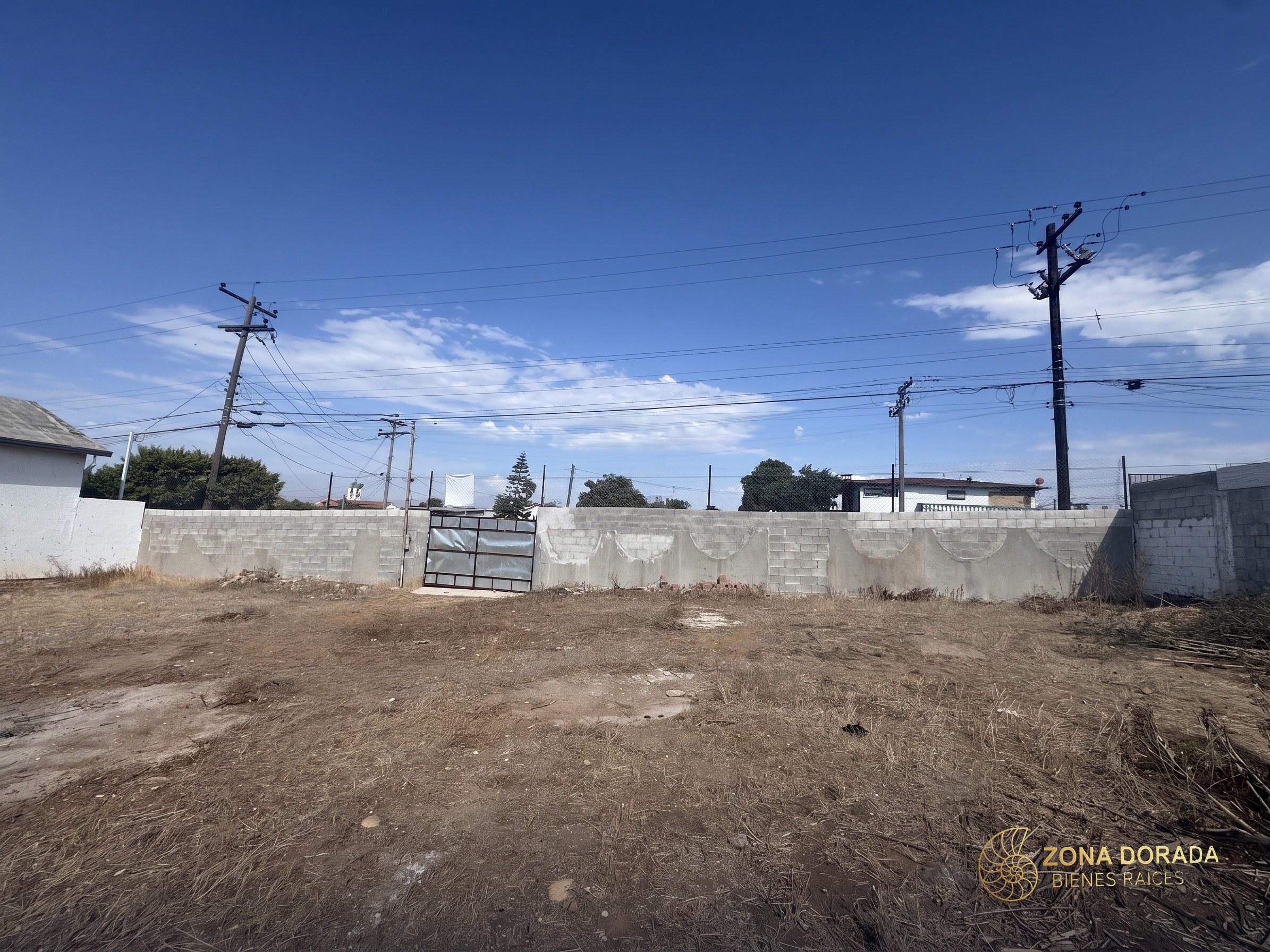
Terreno de 900 m² bardeado y con portón, uso comercial o residencial — Av. Londres, Col. Altamira
$7,632,000
Carretera Escénica
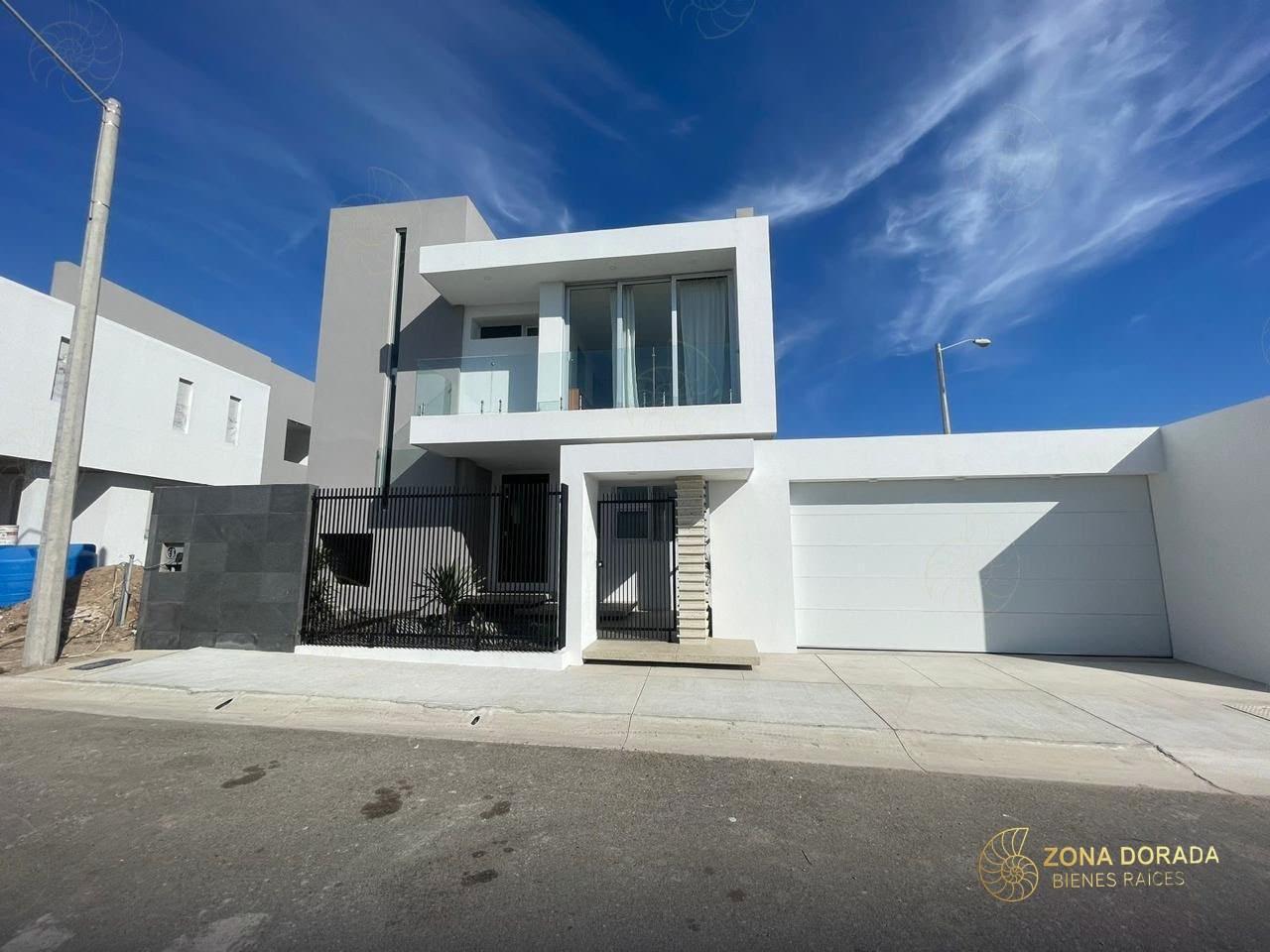
Casa nueva de 165 m² en Sueños del Mar — Carretera Escénica
$7,632,000
Carretera Escénica
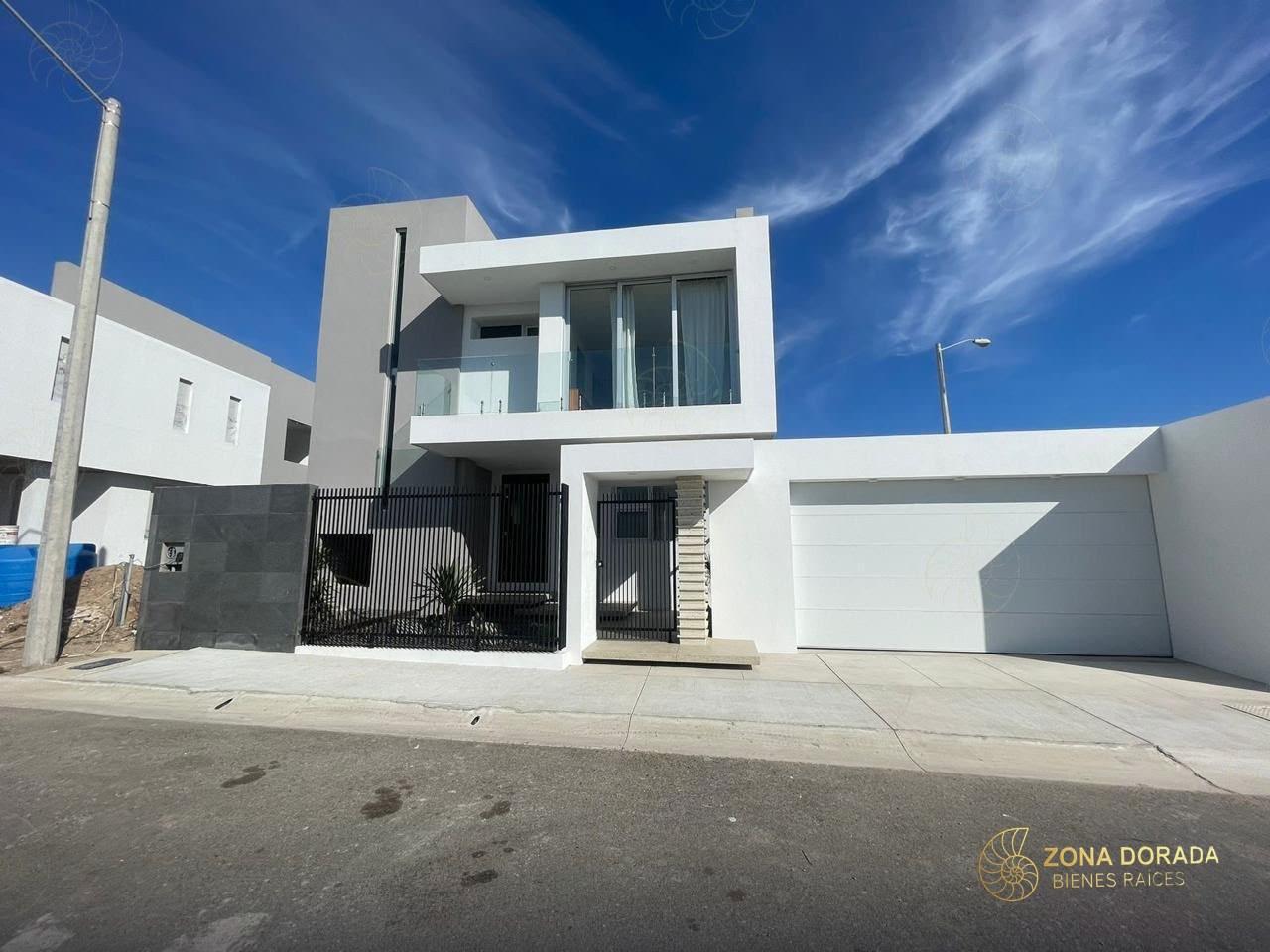
Casa modelo con vista al mar — Sueños del Mar, Lote 13
$8,479,000
Keep reading
Buying in Mexico
Paying for a House in Mexico From the U.S.
U.S. banks will not lend against Mexican property, so most Americans arrive as cash buyers. How the deposit, the escrow, the wire and the exchange rate actually work — and the one account you must never wire to.
4 minBuying in Mexico
Can a Foreigner Own Property in Tijuana? Yes — Here Is How the Fideicomiso Works
All of Tijuana sits inside Mexico's restricted zone, so a foreign buyer takes title through a bank trust. What that actually means, what it costs to budget for, and the one shortcut that costs people their house.
4 minBuying in Mexico
Clean Title in Baja: Ejido Land and Horror Stories
Every buyer hears the story about the family who lost their house. It is real, it is almost always the same story, and the thing that went wrong is a thing you can check before you sign.
4 minQuestions about your case?
Every property and every buyer is different. Tell us your situation and we will tell you what to expect — in English, before you commit to anything.
Or message us: WhatsApp 663 122 9385