Buying in Mexico
Paying for a House in Mexico From the U.S.
September 1, 2026 · 4 min read
Nobody hands over a briefcase. But the first time you buy in Mexico, the payment mechanics are the part that feels least familiar — and the part where the mistakes are expensive and hard to undo.
Here is how the money actually moves.
You are not buying with a U.S. mortgage
Start here, because it reframes everything else.
U.S. banks do not lend against Mexican real estate. Not Wells Fargo, not your credit union, not the lender who did your house in Chula Vista. The collateral is in another country's registry and under another country's foreclosure law, and they will not touch it.
That leaves four realistic ways Americans pay:
- Cash. The most common by a wide margin, and the reason Mexican listings often move fast.
- A HELOC or cash-out refinance on your U.S. property. You borrow in the U.S., against U.S. collateral, and arrive in Mexico as a cash buyer. This is what most people actually do.
- Developer financing, on new construction. Terms vary enormously and the rate is usually well above a U.S. mortgage. Read what happens if you miss a payment before you sign.
- A Mexican mortgage. It exists for foreigners at a handful of banks, but expect a larger down payment, a higher rate than you are used to, and a process that will ask for Mexican tax residency or proof of income here. For most cross-border buyers it is not the practical route.
If someone tells you they can get you a U.S.-style 30-year fixed on a house in Tijuana, ask which lender and then call that lender.
The deposit
Once you agree on a price, you sign a contrato de promesa de compraventa — a purchase agreement — and put down a deposit. Typically around 10%.
Do not wire that deposit to the seller's personal account. This is the single most common way people lose money here, and it is entirely avoidable.
Use escrow. A third party holds the funds against written conditions and releases them when those conditions are met. Cross-border escrow companies serving Baja will hold in dollars, in a U.S. account, and coordinate with the Mexican notary. Budget roughly $1,000 to $2,500 USD depending on the amount held.
Escrow is optional in Mexico in a way it is not in California. Use it anyway. The cost is a rounding error against the risk.
The wire
Your bank will ask why you are sending a large sum to Mexico. Answer plainly: you are buying real estate, here is the purchase agreement, here is the escrow instruction. Volunteering the documentation up front is faster than being asked for it after the wire is frozen.
Two practical points:
Give your bank advance notice if the amount is large. A first-time six-figure wire to a foreign country trips fraud review at essentially every U.S. institution, and the review happens on their schedule.
Ask what the receiving side actually gets. Between the wire fee, the intermediary bank and the exchange spread, the amount that lands is not the amount you sent. Get the all-in number in writing before you initiate.
Dollars or pesos
Most transactions on this side of the border are negotiated in dollars and closed in pesos, because Mexican law requires the deed to state a peso amount.
That means someone bears the exchange risk between the day you agree and the day you sign. Settle in the purchase agreement which exchange rate applies and on what date — the rate on the signing day, a fixed rate agreed now, or the bank's rate at conversion.
Leaving it vague is how a deal that made sense in March becomes an argument in June. Write it down.
What the notary needs from you
In Mexico the notario público is not a clerk who stamps signatures. They are a licensed attorney appointed by the state, responsible for the legality of the transaction, and they draft and record the deed. You do not get to skip them.
For a foreign buyer they will want:
- Your passport
- Your immigration status document, if you have one
- Your permit from the Ministry of Foreign Affairs (SRE) for the fideicomiso
- The trust agreement with the bank acting as trustee
- Proof of the source of funds
That last one is not optional and it is not personal. Mexico's anti-money-laundering law makes real estate a actividad vulnerable, and the notary is required to identify the parties and document where the money came from. Bank statements showing the accumulation, or the closing statement from the U.S. property you sold, are the normal answer.
Assemble this early. The SRE permit is the item with the least flexible timeline, and it is the one that most often decides your closing date.
What comes out of your pocket at closing
Beyond the price itself, budget for the acquisition tax, the notary's fees, the registry inscription, the certificates, the fideicomiso setup and the bank's first annual trustee fee. Together these commonly land in the range of 5% to 8% of the purchase price for a foreign buyer using a trust.
We keep an itemized estimator with current ranges, and we will run your specific property through it in writing before you commit to anything.
The short version
Pay through escrow, never to a personal account. Expect to be a cash buyer unless you borrow against U.S. collateral. Fix the exchange rate in the contract. Start the SRE permit early. And get the closing costs itemized in writing before, not after.
None of this is exotic. It is just different, and the differences are where the money is.
Available now
Picked to match what you just read.
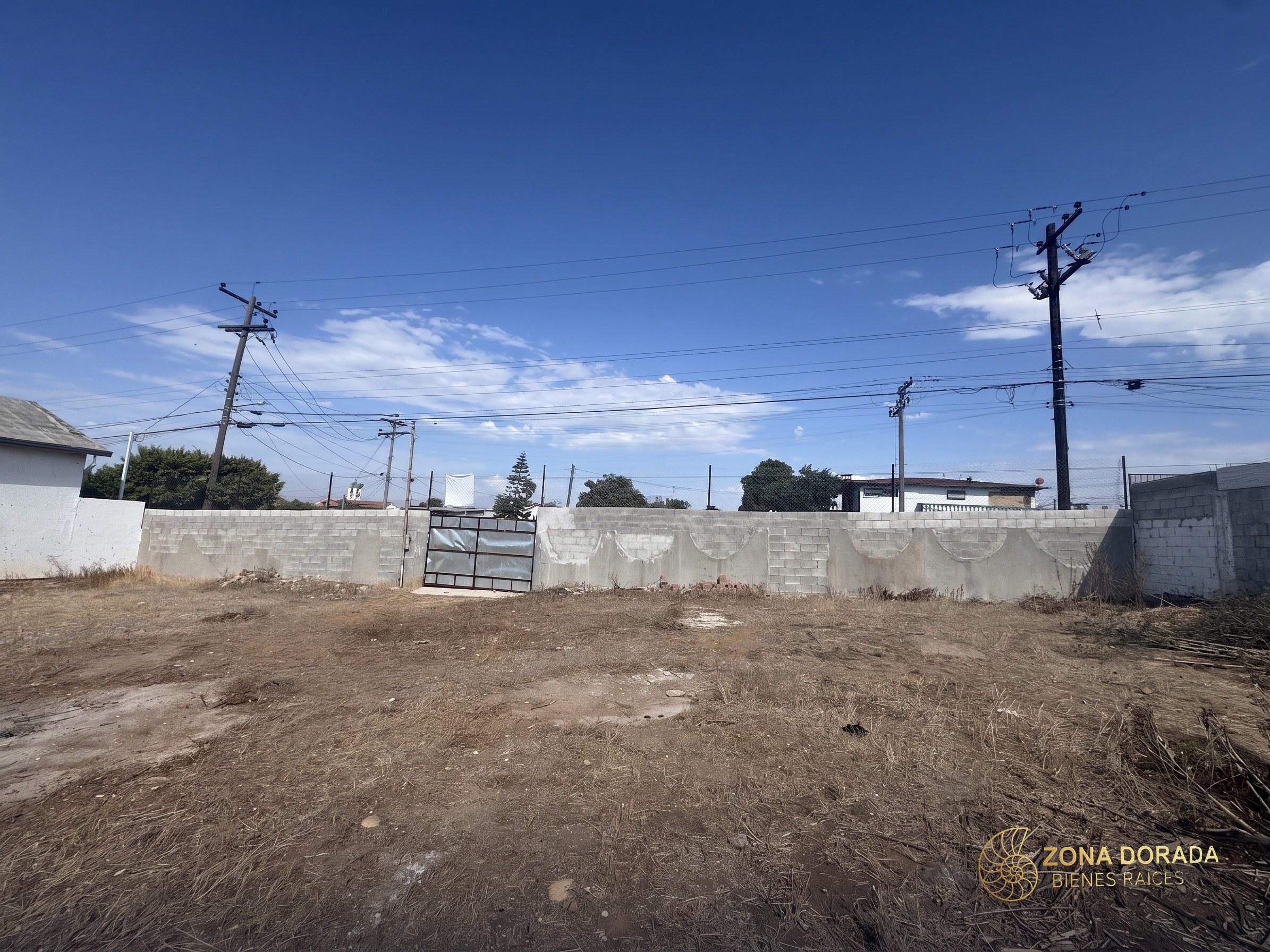
Altamira
Terreno de 900 m² bardeado y con portón, uso comercial o residencial — Av. Londres, Col. Altamira
$7,632,000
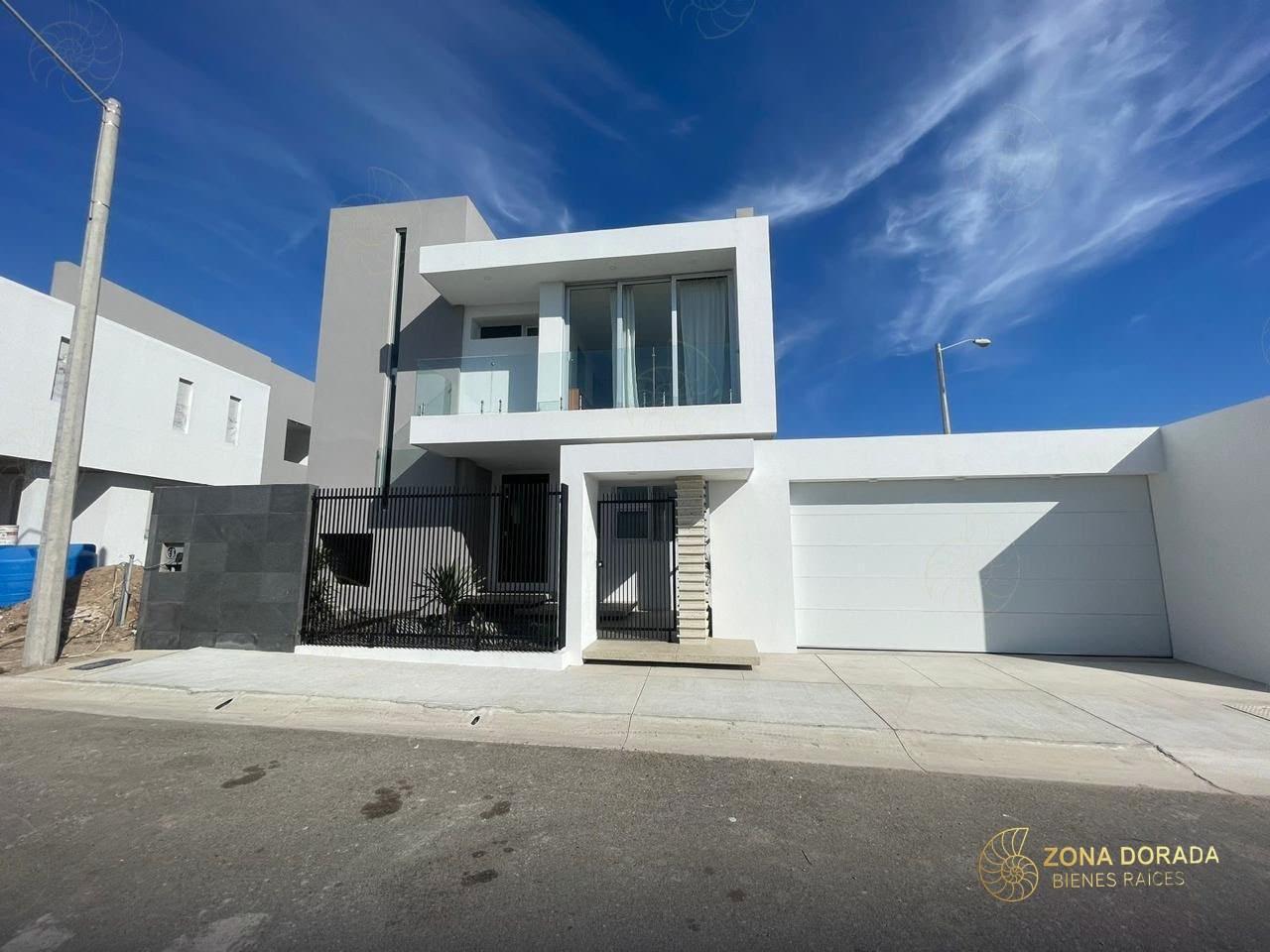
Carretera Escénica
Casa nueva de 165 m² en Sueños del Mar — Carretera Escénica
$7,632,000
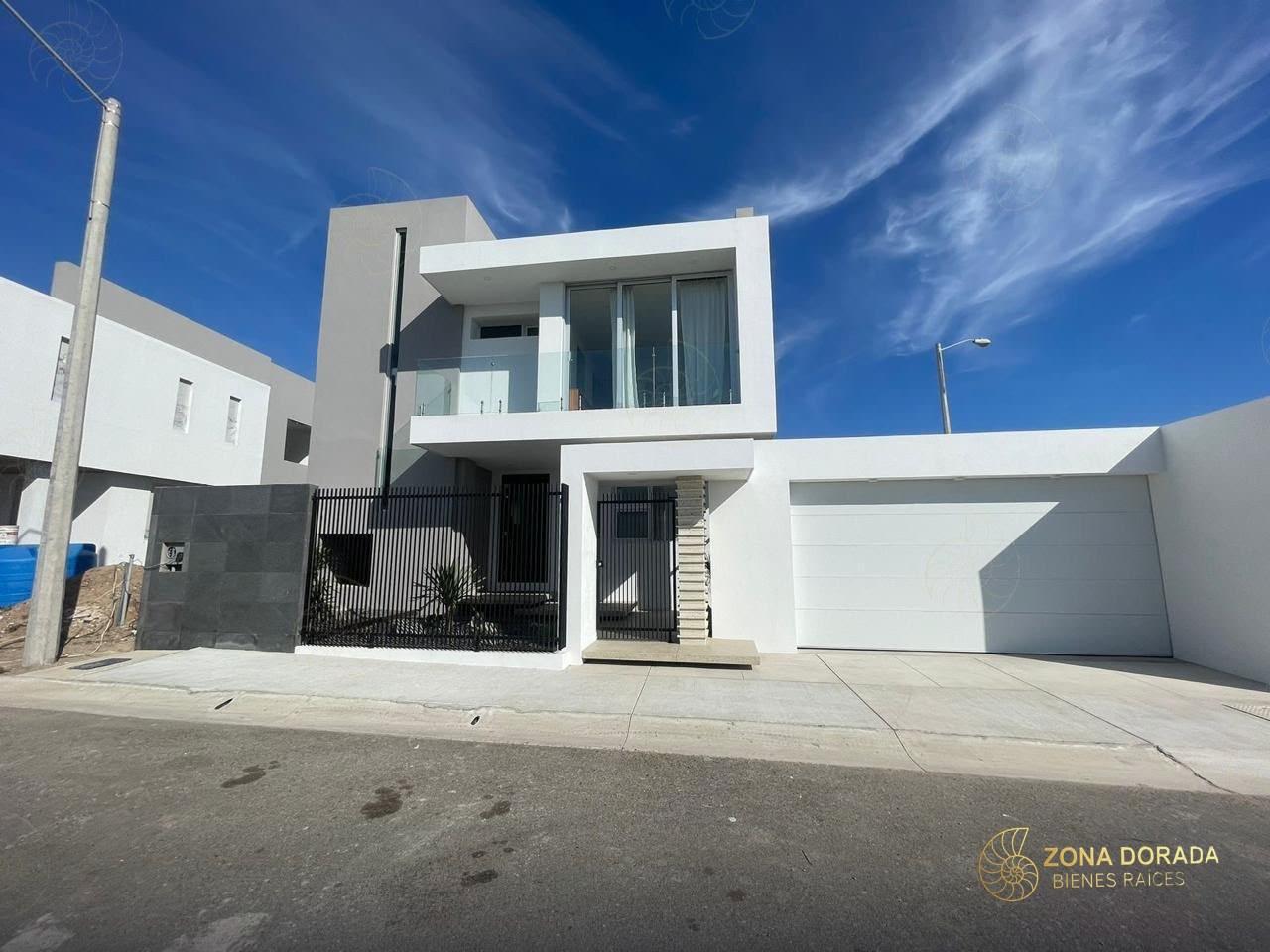
Carretera Escénica
Casa modelo con vista al mar — Sueños del Mar, Lote 13
$8,479,000
Keep reading
Buying in Mexico
Buying in Tijuana, Week by Week: What Actually Happens and How Long It Takes
Two to three months is normal. When it runs long it is almost always one of four things — and three of the four are the seller's paperwork, not yours. The full process, week by week.
4 minBuying in Mexico
Can a Foreigner Own Property in Tijuana? Yes — Here Is How the Fideicomiso Works
All of Tijuana sits inside Mexico's restricted zone, so a foreign buyer takes title through a bank trust. What that actually means, what it costs to budget for, and the one shortcut that costs people their house.
4 minBuying in Mexico
Clean Title in Baja: Ejido Land and Horror Stories
Every buyer hears the story about the family who lost their house. It is real, it is almost always the same story, and the thing that went wrong is a thing you can check before you sign.
4 minQuestions about your case?
Every property and every buyer is different. Tell us your situation and we will tell you what to expect — in English, before you commit to anything.
Or message us: WhatsApp 663 122 9385