Buying in Mexico
Can a Foreigner Own Property in Tijuana? Yes — Here Is How the Fideicomiso Works
August 23, 2026 · 4 min read

The first thing almost every American hears about buying in Mexico is some version of "you can't really own it." That is wrong, but it comes from something real, so it is worth getting straight before you look at a single house.
The rule
Mexico's constitution restricts direct foreign ownership in what is called the zona restringida: within 100 km of a border and within 50 km of the coastline.
Tijuana is inside it. All of it. Zona Río, Playas, the Scenic Highway, the hills on the east side — every square meter of this city sits within 100 km of the border, so there is no neighborhood here where a foreign buyer takes title the way they would in Texas.
Anyone who tells you they found a property in Tijuana "outside the restricted zone" is either confused or hoping you are.
What you use instead
A fideicomiso — a bank trust.
A Mexican bank authorized to act as trustee holds the title. You are the beneficiary. In practice you have the rights an owner has: you live in it, remodel it, rent it out, sell it, and leave it to your heirs. You name substitute beneficiaries, so it passes without probate in Mexico.
It runs for 50 years and is renewable. It is not a lease and it is not a loophole — it is the ordinary, decades-old legal instrument that essentially every foreign owner on this coast uses.
Or a Mexican corporation, if you are buying for commercial use — a building you will rent out as a business, land you will operate on. This route has real accounting and tax obligations attached, so it is a decision to make with an accountant, not a shortcut to avoid the trust.
What it costs and how long it takes
There is a setup fee and an annual trustee fee, and both vary by bank and by property value. There is also a permit from the Ministry of Foreign Affairs.
We are not going to publish numbers here, because they change and a stale figure on the internet is worse than none. What matters is that you budget for it from the start. The mistake we see is a buyer who priced the house and nothing else, then discovers the trust mid-transaction and has to scramble.
Ask for the full closing estimate — house, closing costs, trust setup, first year's trustee fee — before you commit to anything. Any advisor who can't produce that itemized is telling you something.
What to check before you sign
That the seller is actually the registered owner. A certificado de libertad de gravamen from the Public Registry shows liens and encumbrances. This is not optional.
That property taxes and water are current. In Mexico, debts follow the property, not the person. They arrive with you.
That the notary is chosen and involved early. A Mexican notario público is not the notary you know from the US. Here it is a licensed attorney appointed by the state, and the deed is not valid without one. They verify, calculate the transfer tax, and register the sale. This is the strongest protection in the Mexican system, and it works — use it, don't work around it.
Never pay a deposit into a personal account with a handshake. If it is a real transaction, it can be documented.
The one that actually costs people money
Buying on a private contract, paying, taking the keys, and agreeing to "do the deed later."
Until the deed is signed and registered, the property still belongs to someone else in the eyes of the Registry. If that person dies, divorces, or takes on debt, your contract gives you a lawsuit, not a house. This happens here, and it happens to foreign buyers more often than to locals, because they don't know it is optional to skip and expensive to fix.
Also worth knowing
You still have obligations back home. US citizens are taxed on worldwide income, and rental income from a Mexican property is reportable. Certain foreign accounts and structures carry filing requirements. Talk to a US tax professional before closing, not in April.
How we work
We coordinate the whole thing with an allied notary and a trustee bank: the certificates, the appraisal, the trust permit, the deed, and the registration. In English, and with the full number in front of you before you commit.
Send us a message on WhatsApp and tell us what you are looking at. We will tell you what the real cost and timeline look like for that specific property.
Available now
Picked to match what you just read.
Altamira
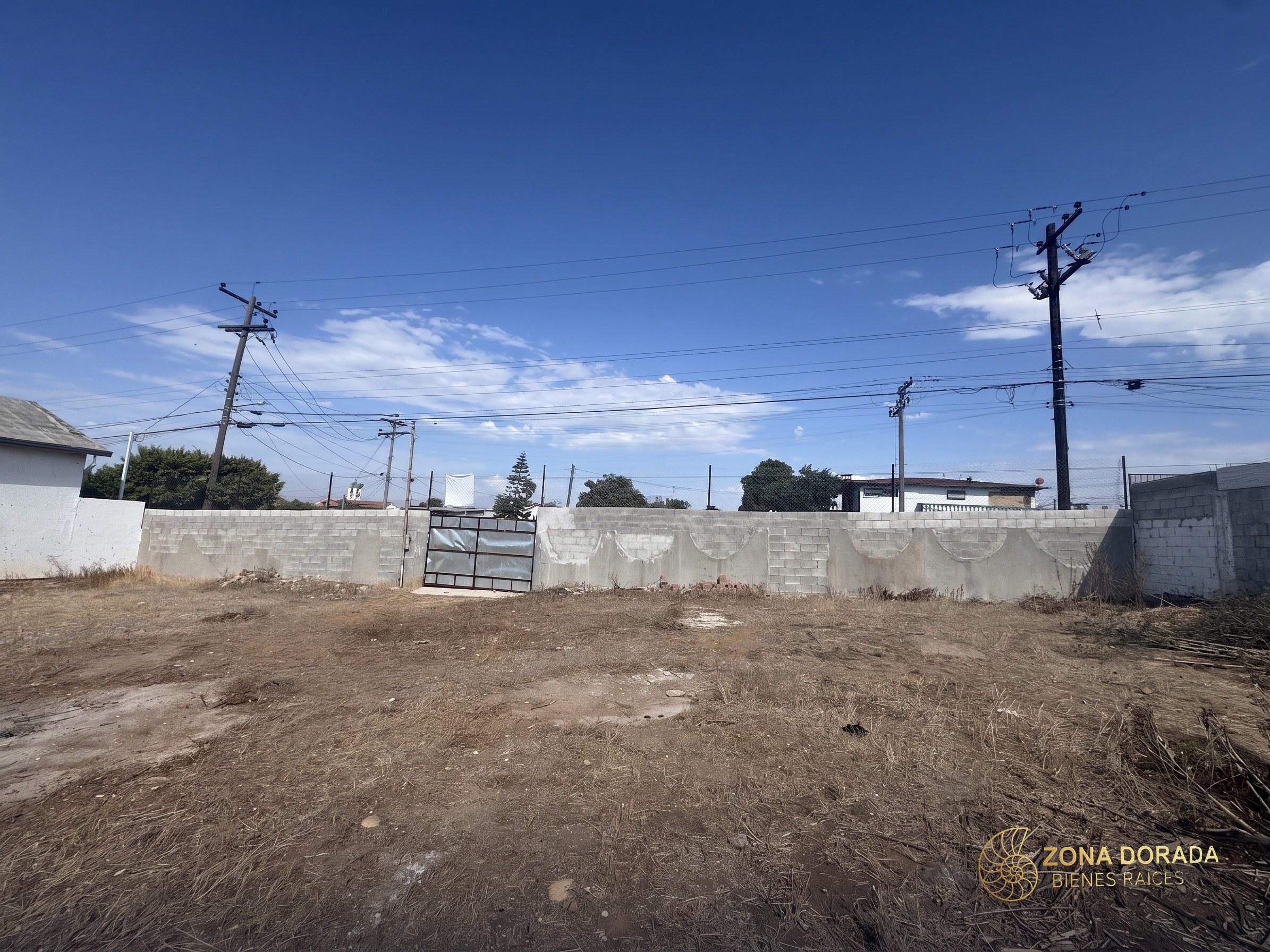
Terreno de 900 m² bardeado y con portón, uso comercial o residencial — Av. Londres, Col. Altamira
$7,632,000
Carretera Escénica
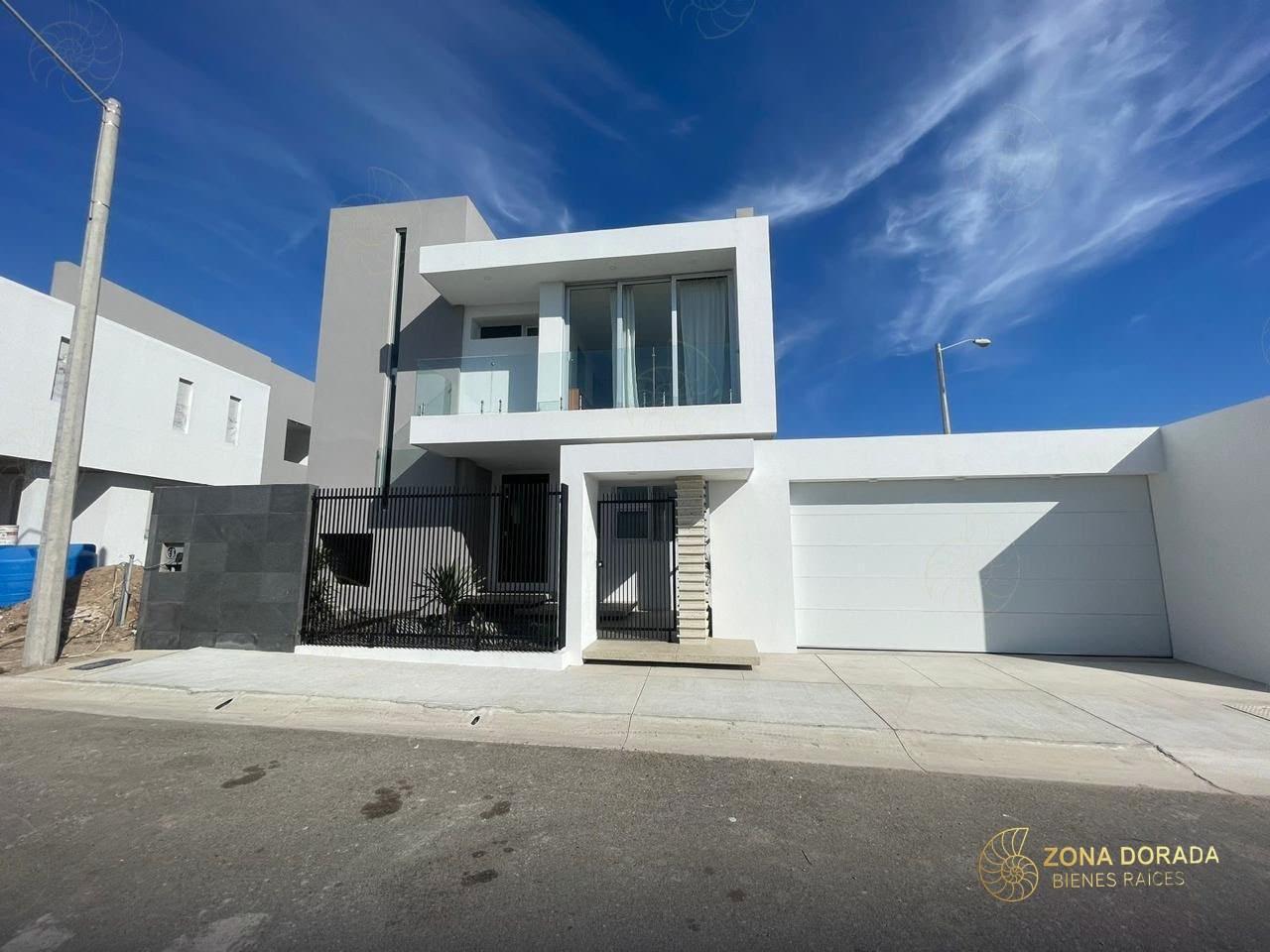
Casa nueva de 165 m² en Sueños del Mar — Carretera Escénica
$7,632,000
Carretera Escénica
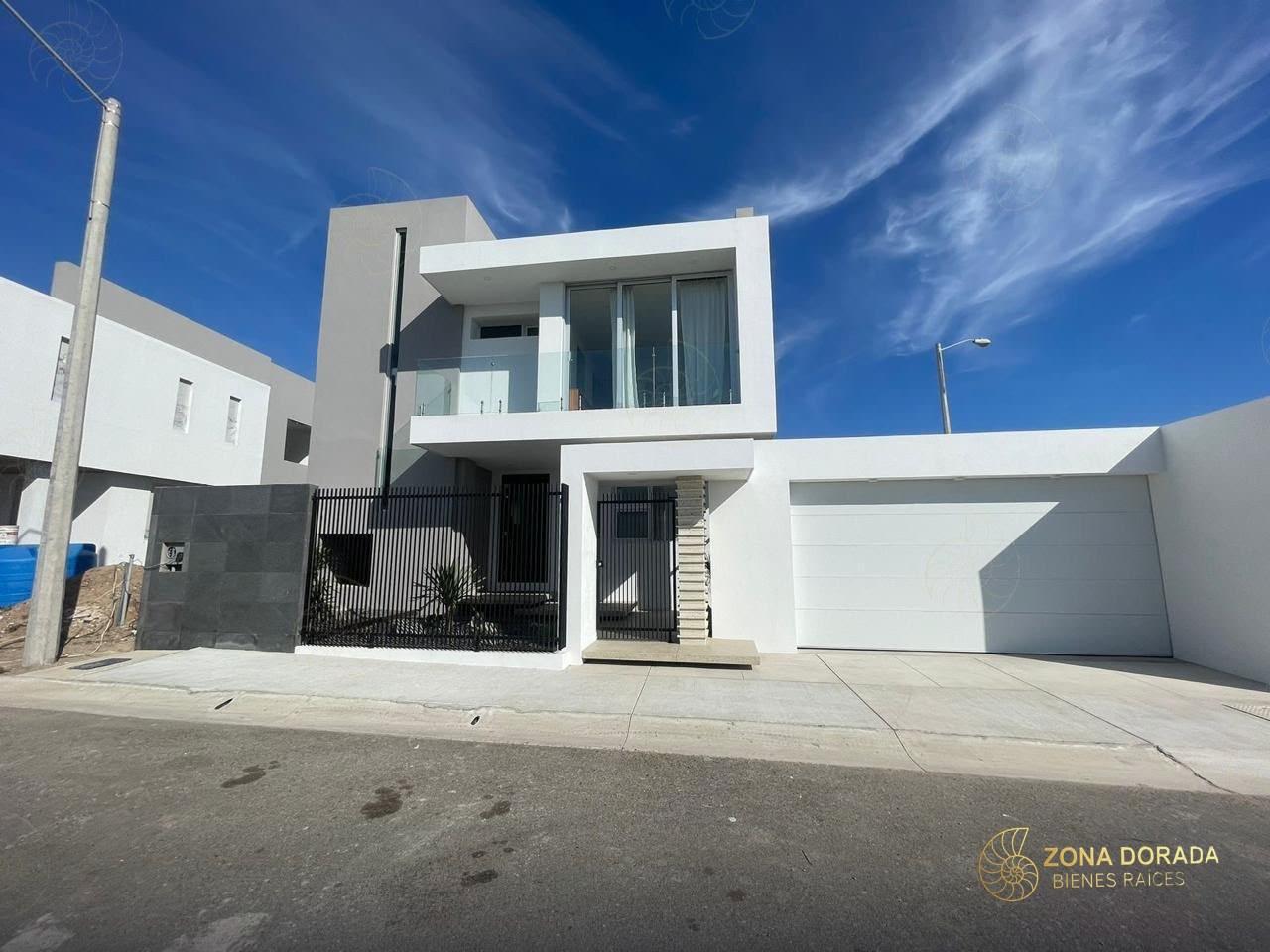
Casa modelo con vista al mar — Sueños del Mar, Lote 13
$8,479,000
Keep reading
Buying in Mexico
What Closing Actually Costs in Tijuana
Budget 7 to 10 percent on top of the price if you are buying with a fideicomiso. Here is what each line is, who charges it, and which ones you can shop for.
7 minBuying in Mexico
What Happens to Your Mexican Property When You Die
The fideicomiso lets you name beneficiaries directly, and that is the part almost nobody explains. Done right, your heirs skip the Mexican probate process entirely.
6 minBuying in Mexico
Buying in Tijuana, Week by Week: What Actually Happens and How Long It Takes
Two to three months is normal. When it runs long it is almost always one of four things — and three of the four are the seller's paperwork, not yours. The full process, week by week.
4 minQuestions about your case?
Every property and every buyer is different. Tell us your situation and we will tell you what to expect — in English, before you commit to anything.
Or message us: WhatsApp 663 122 9385