Buying in Mexico
What Closing Actually Costs in Tijuana
September 2, 2026 · 7 min read

The listing price is not what you pay. In Mexico the buyer carries most of the closing costs, and inside the restricted zone — which includes all of Tijuana — there is an extra layer because of the bank trust.
Plan on 7 to 10 percent of the purchase price on top of the price itself.
Here is where it goes.
The acquisition tax
A local transfer tax on the property, paid by the buyer. It is typically the largest single line after the price, and it is not negotiable — it is a percentage set by the municipality.
The notary
In Mexico a notario público is not a clerk. They are a highly regulated attorney who verifies title, calculates and withholds taxes, and creates the public deed. Their fee is a percentage of the transaction.
You can choose your notary, and it is worth doing. A good one catches the problem before it becomes yours.
The fideicomiso — only inside the restricted zone
Two costs, one at the start and one every year:
Setting it up: commonly in the range of 500 to 1,500 USD, depending on the bank.
Annual trustee fee: commonly 500 to 700 USD per year, for as long as you hold the property.
The SRE permit: a federal permit for a foreigner to acquire in the restricted zone, in the range of 21,000 to 22,000 pesos.
⚠️ Banks differ, and the annual fee compounds over decades. Ask what the annual fee is before you choose the bank, not after.
The registry and the paperwork
Recording the deed in the Public Registry, plus certificates the notary must obtain: no-lien certificate, appraisal, water and property-tax clearances. Individually small, collectively a real number.
Title insurance — optional, and worth considering
Not customary in Mexico, but available from U.S. underwriters like First American and Stewart, generally in the 1,500 to 3,500 USD range.
For a first purchase in a foreign registry, many American buyers find it buys the peace of mind they are used to at home. It is the one line on this page that is genuinely optional.
What you do not pay
The real estate commission is customarily paid by the seller.
Capital gains tax (ISR) is the seller's, calculated and withheld by the notary at closing. It matters to you only because a seller who did not expect it may try to renegotiate late.
Two things that surprise Americans
There is no escrow the way you know it. Mexico has no standard escrow culture; funds usually move through the notary or a formal escrow service you arrange. If someone asks you to wire the full price directly to a personal account, stop.
You cannot get a U.S. mortgage on it. U.S. lenders will not take Mexican collateral. Mexican financing for foreigners exists but runs around 6 to 9 percent with 30 to 50 percent down.
Ask for the number in writing
Before you sign anything, ask the notary for a written estimate of closing costs for your specific property. It is normal to ask and it is normal to receive.
Figures are typical ranges as of 2026 and are not a quote. Tax rates, bank fees and permit costs change, and vary by property value and municipality. The notary handling your transaction gives you the real number.
Available now
Picked to match what you just read.
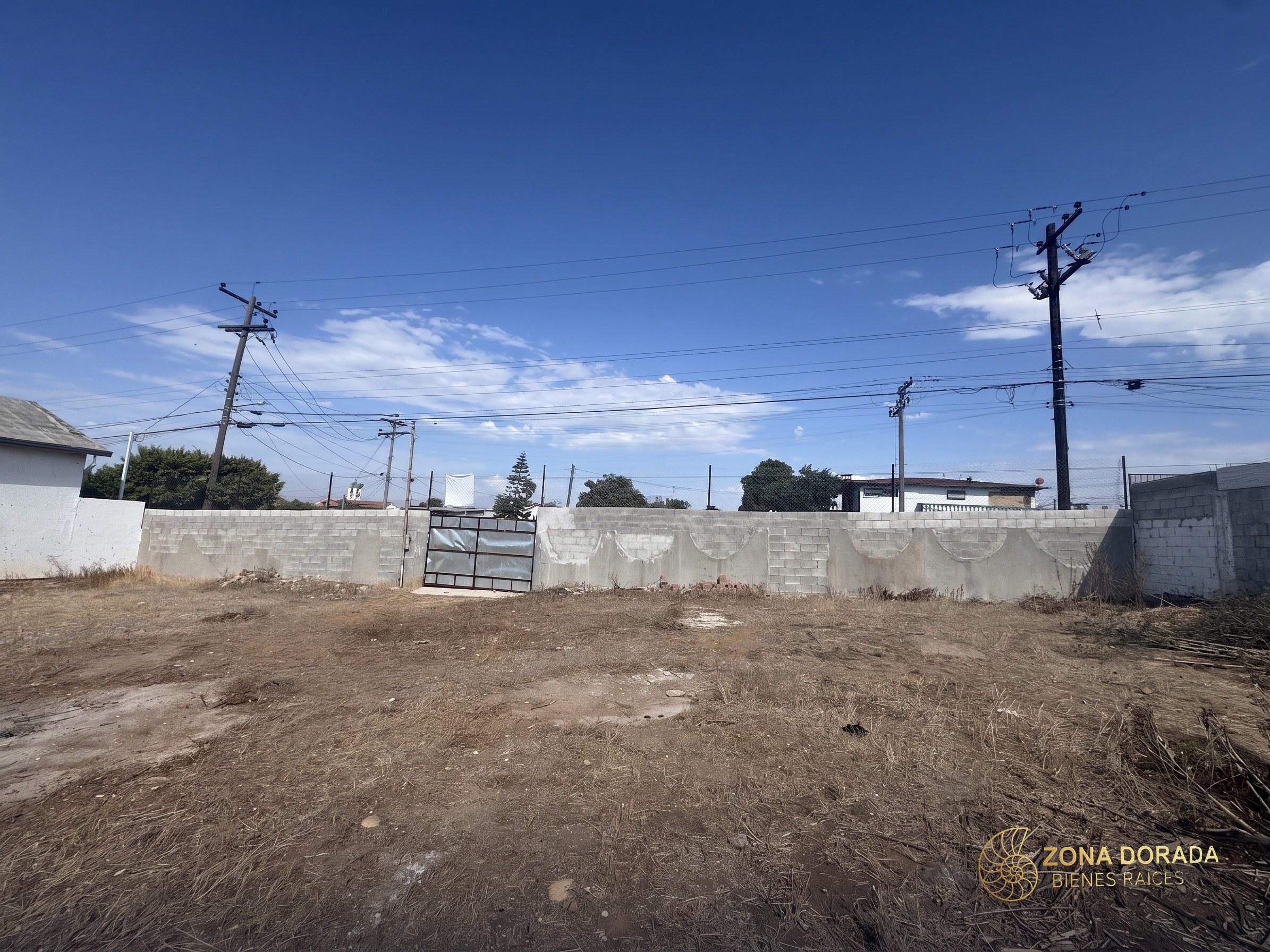
Altamira
Terreno de 900 m² bardeado y con portón, uso comercial o residencial — Av. Londres, Col. Altamira
$7,632,000
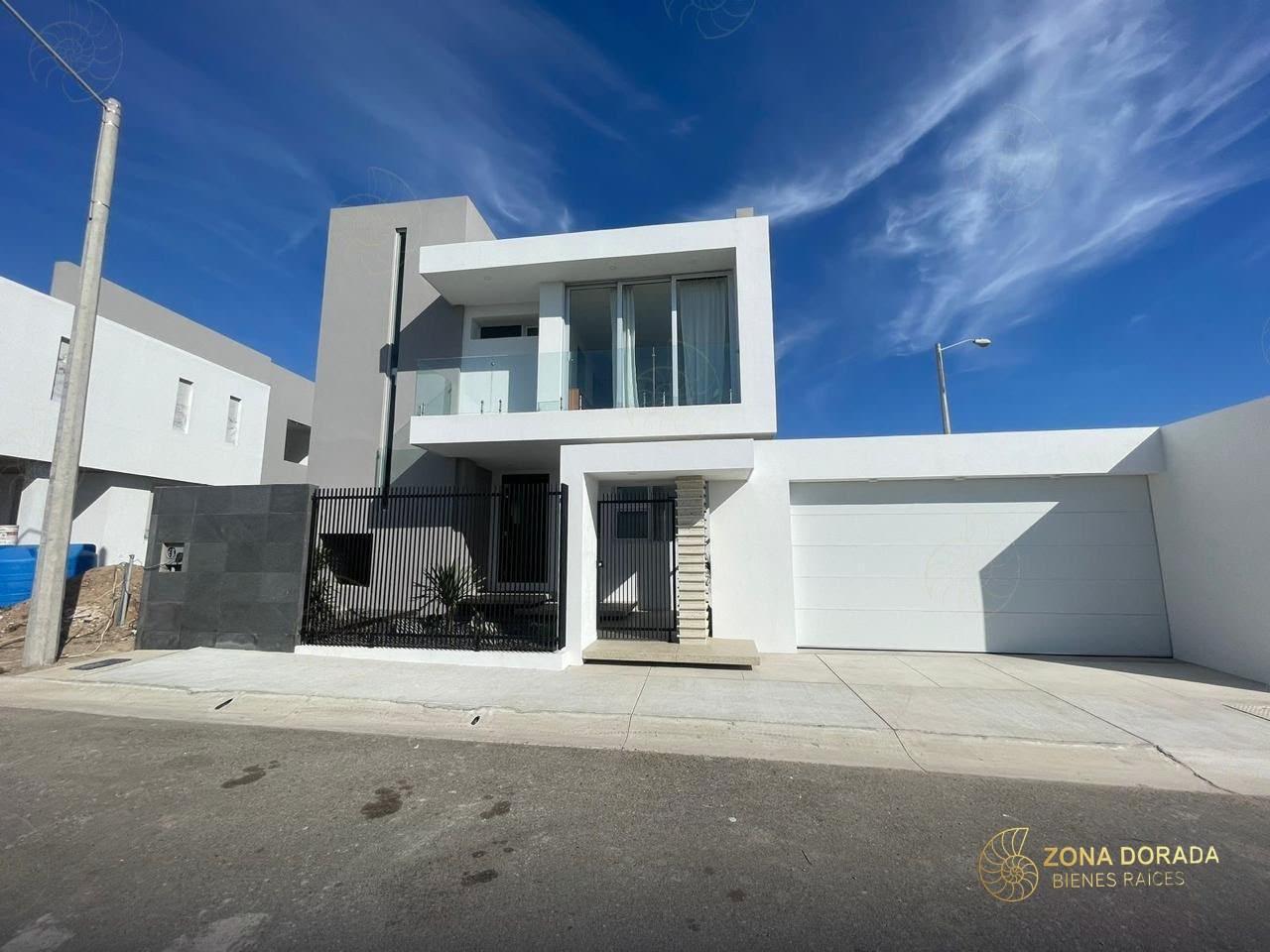
Carretera Escénica
Casa nueva de 165 m² en Sueños del Mar — Carretera Escénica
$7,632,000
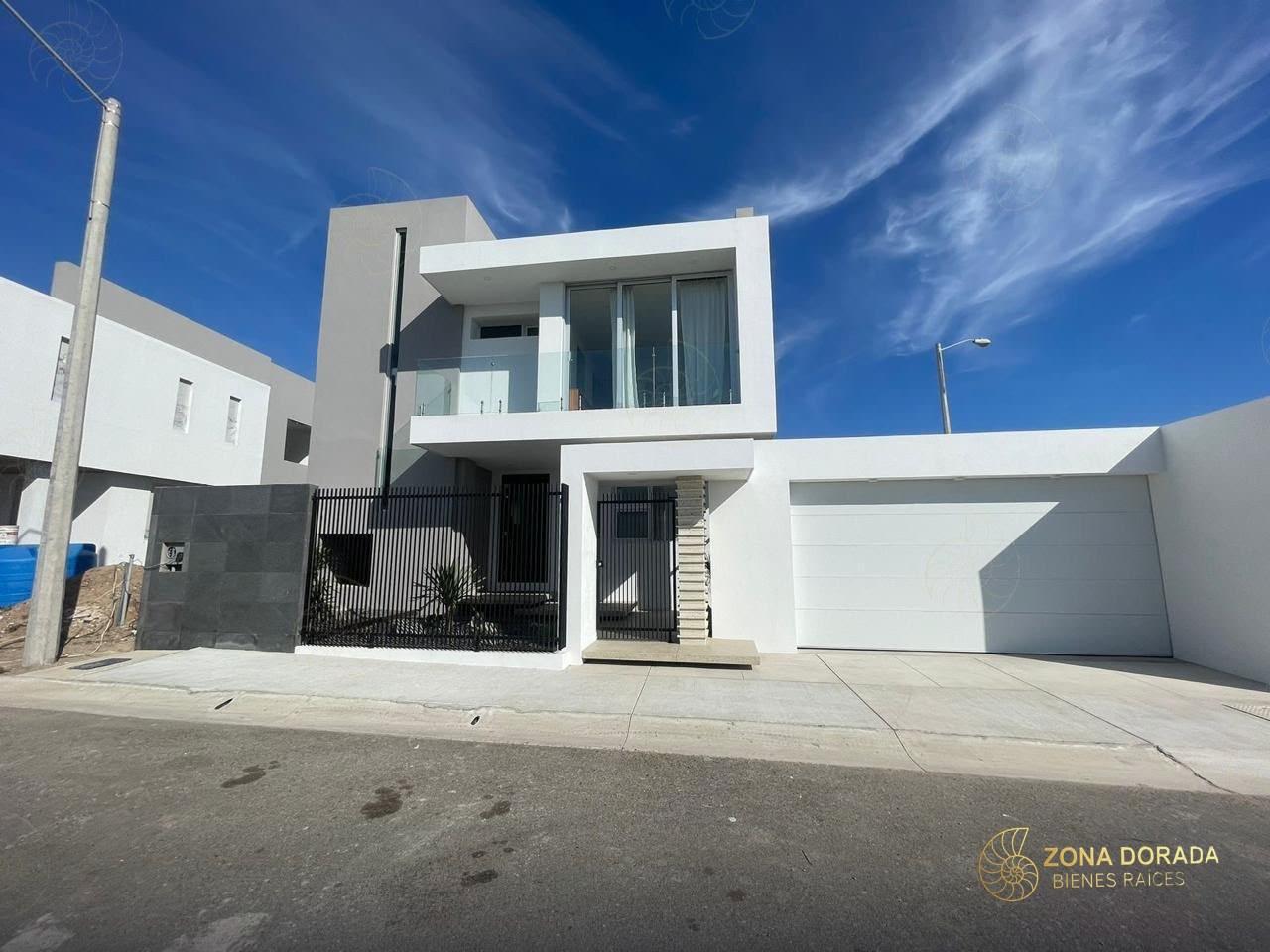
Carretera Escénica
Casa modelo con vista al mar — Sueños del Mar, Lote 13
$8,479,000
Keep reading
Buying in Mexico
What Happens to Your Mexican Property When You Die
The fideicomiso lets you name beneficiaries directly, and that is the part almost nobody explains. Done right, your heirs skip the Mexican probate process entirely.
6 minBuying in Mexico
Can a Foreigner Own Property in Tijuana? Yes — Here Is How the Fideicomiso Works
All of Tijuana sits inside Mexico's restricted zone, so a foreign buyer takes title through a bank trust. What that actually means, what it costs to budget for, and the one shortcut that costs people their house.
4 minBuying in Mexico
U.S. Taxes on a House in Mexico
Owning in Mexico does not take you out of the U.S. tax system. FBAR, the fideicomiso reporting question the IRS settled in 2013, rental income in both countries, and the exchange-rate trap when you sell.
4 minQuestions about your case?
Every property and every buyer is different. Tell us your situation and we will tell you what to expect — in English, before you commit to anything.
Or message us: WhatsApp 663 122 9385