Buying in Mexico
What Happens to Your Mexican Property When You Die
September 2, 2026 · 6 min read

Most articles about the fideicomiso stop at "yes, foreigners can own property in Mexico." Then they skip the question that matters most to anyone over fifty: what happens to it when I die?
The answer is one of the strongest arguments for the fideicomiso, and almost nobody makes it.
You name beneficiaries, like a bank account
Inside a fideicomiso you can designate substitute beneficiaries — the people who take your position in the trust when you die. It works the way a payable-on-death designation works on a U.S. account.
When it is set up correctly, your heirs do not go through a Mexican succession proceeding. They present the death certificate and identification to the trustee bank, and the bank recognizes them as the new beneficiaries.
That is the difference between a matter of weeks and a foreign court process that can take a year or more and cost a meaningful share of the property's value.
Why this matters more than it sounds
Ask anyone who has inherited property in Mexico without this in place. The heirs are usually in another country, do not speak the language, cannot easily travel for hearings, and are grieving. Meanwhile the property sits — with taxes and maintenance accruing and nobody with authority to sell it or rent it.
The fideicomiso avoids that, and it costs nothing extra to do at signing. It is a form you fill out. The cost is only in forgetting.
Four things people get wrong
Leaving the beneficiary blank. It is optional at signing, so it gets skipped when the buyer is in a hurry. Ask the notary directly: who is named as substitute beneficiary?
Naming one person and never updating it. Divorce, death, a new child — the designation does not update itself. Review it whenever your U.S. estate documents change.
Assuming your U.S. will covers it. A U.S. will can be recognized in Mexico, but making that happen is exactly the slow foreign proceeding you were trying to avoid. The beneficiary designation is faster and more certain.
Assuming the trust expires and everything is lost. A fideicomiso runs for 50 years and is renewable. It does not quietly lapse.
When you should get real advice
If your estate is complicated — a trust in the U.S., children from more than one marriage, a business — talk to an attorney who handles cross-border estates. The designation is simple; how it fits the rest of your plan may not be.
What we do
When one of our buyers sets up a trust, we ask about the beneficiary before signing, not after. It takes one conversation and saves the family a year.
This article is general information, not legal or tax advice. Rules and bank practice vary. Have a Mexican notary and, where the estate is complex, a cross-border attorney review your specific case.
Available now
Picked to match what you just read.
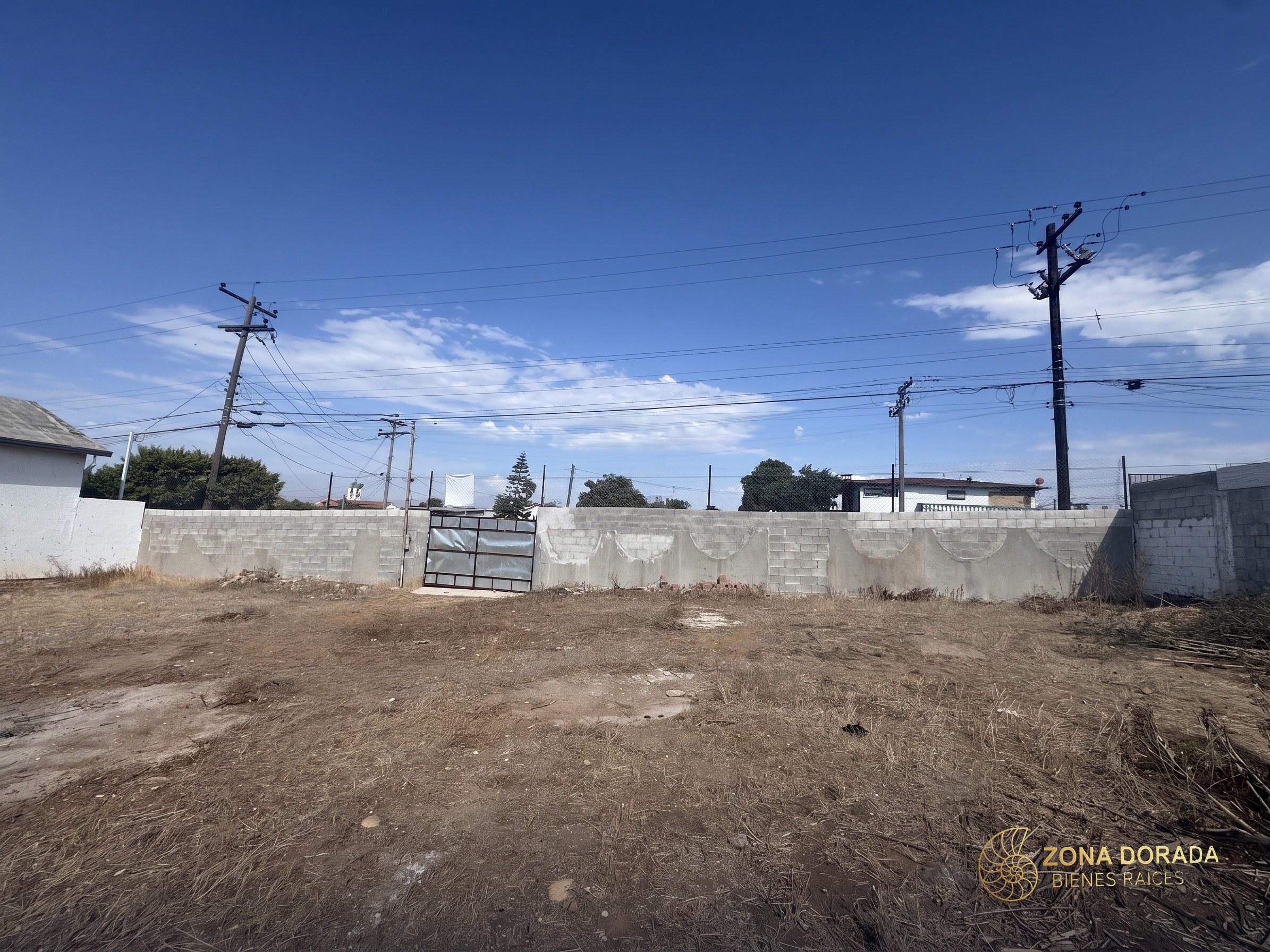
Altamira
Terreno de 900 m² bardeado y con portón, uso comercial o residencial — Av. Londres, Col. Altamira
$7,632,000
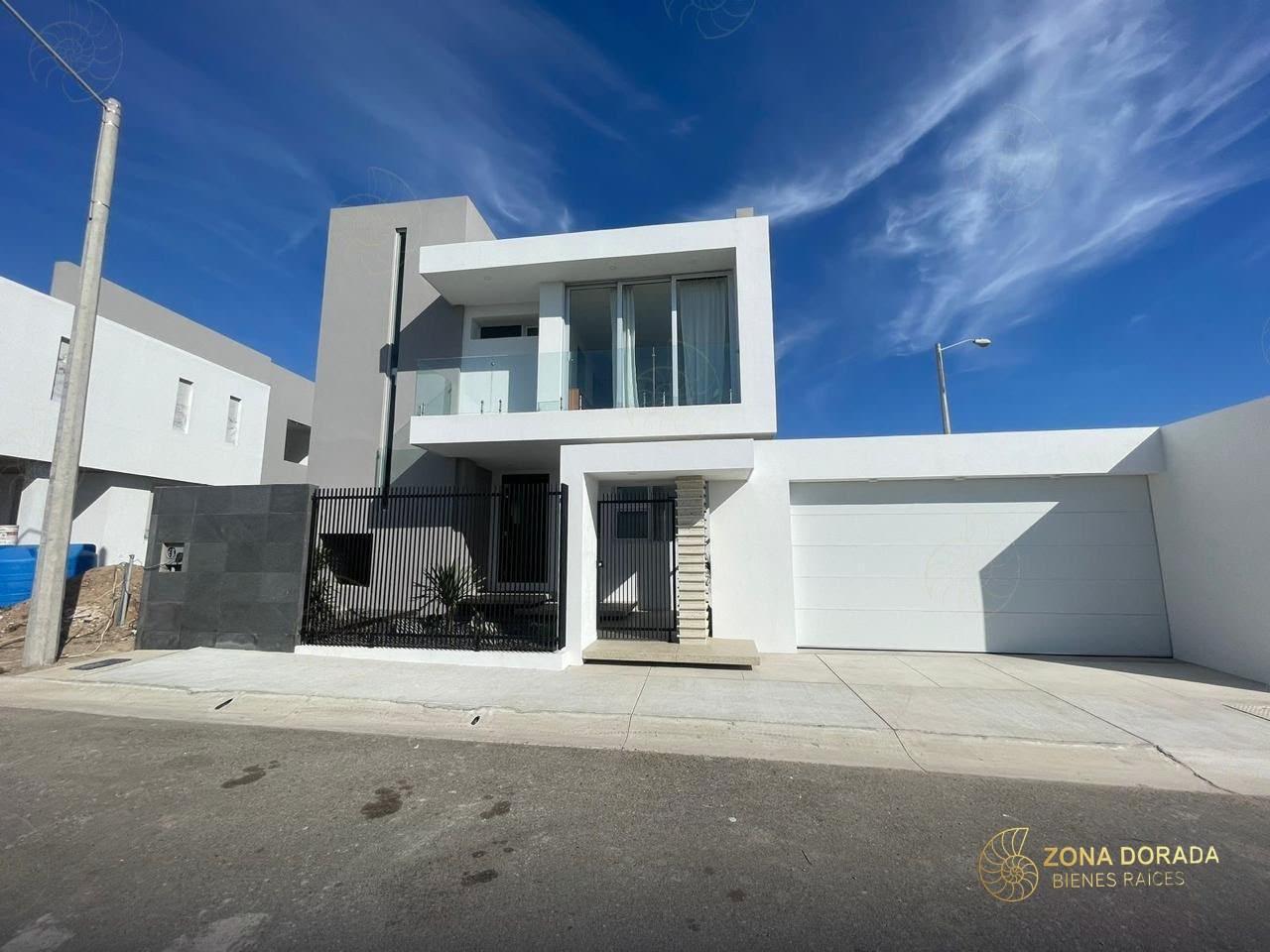
Carretera Escénica
Casa nueva de 165 m² en Sueños del Mar — Carretera Escénica
$7,632,000
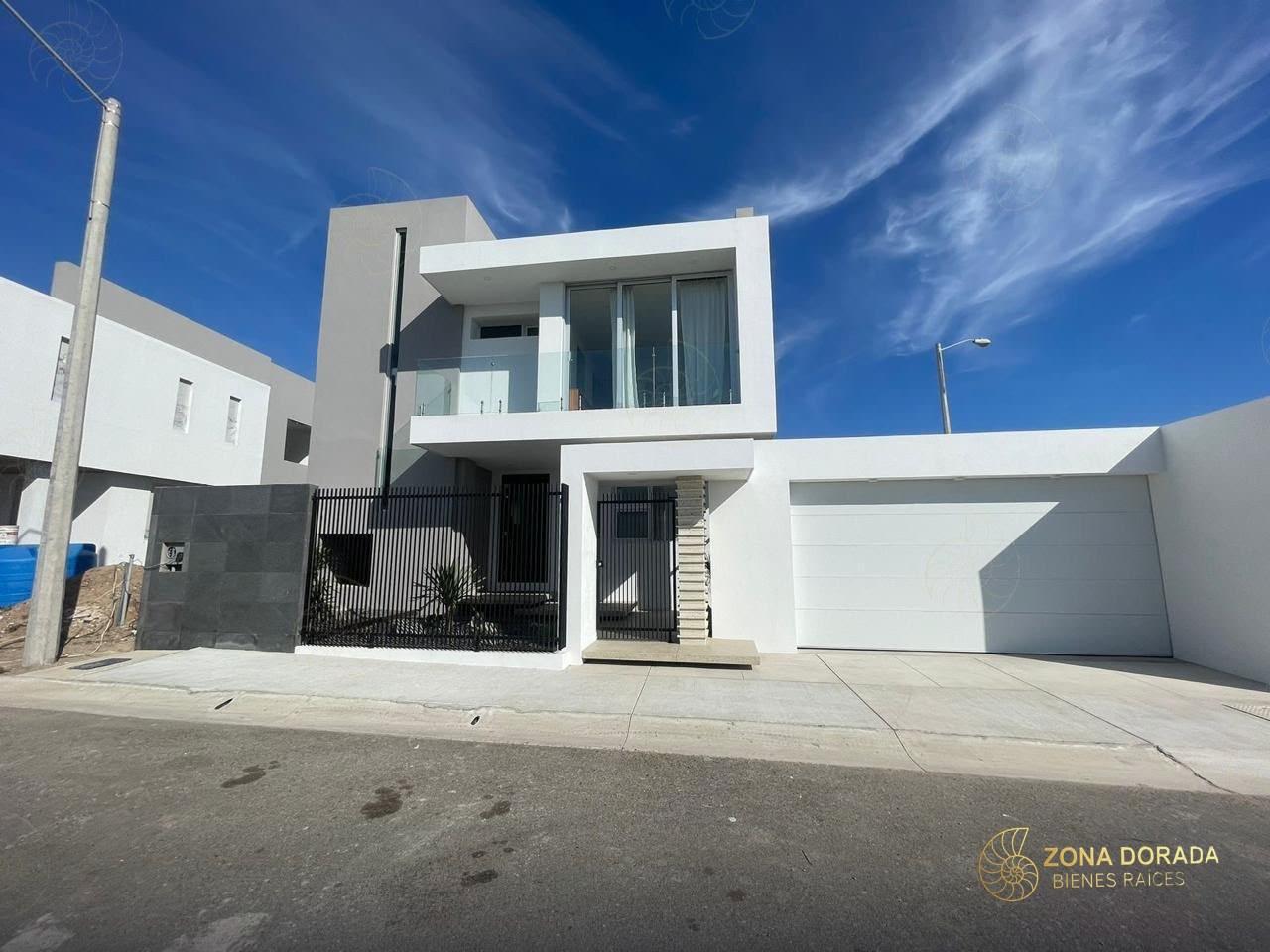
Carretera Escénica
Casa modelo con vista al mar — Sueños del Mar, Lote 13
$8,479,000
Keep reading
Buying in Mexico
What Closing Actually Costs in Tijuana
Budget 7 to 10 percent on top of the price if you are buying with a fideicomiso. Here is what each line is, who charges it, and which ones you can shop for.
7 minBuying in Mexico
Can a Foreigner Own Property in Tijuana? Yes — Here Is How the Fideicomiso Works
All of Tijuana sits inside Mexico's restricted zone, so a foreign buyer takes title through a bank trust. What that actually means, what it costs to budget for, and the one shortcut that costs people their house.
4 minBuying in Mexico
U.S. Taxes on a House in Mexico
Owning in Mexico does not take you out of the U.S. tax system. FBAR, the fideicomiso reporting question the IRS settled in 2013, rental income in both countries, and the exchange-rate trap when you sell.
4 minQuestions about your case?
Every property and every buyer is different. Tell us your situation and we will tell you what to expect — in English, before you commit to anything.
Or message us: WhatsApp 663 122 9385