Buying in Mexico
Mexican-American? You May Not Need a Fideicomiso to Buy in Tijuana
October 1, 2026 · 4 min read · Leer en español

Every guide about buying in Tijuana, including ours, starts with the same sentence: a foreigner cannot hold title here, so you buy through a fideicomiso, a bank trust.
That sentence is about foreigners. If one of your parents is Mexican, it may not be about you.
Why the trust exists at all
Mexico's constitution bars foreigners from holding direct title within 100 km of a border or 50 km of the coast. All of Tijuana is inside that strip, so a U.S. buyer takes title through a bank trust.
The restriction is on foreigners. A Mexican citizen buys in Tijuana the way anyone buys anywhere: the deed goes in their name, with no trust, no permit from the Ministry of Foreign Affairs, and no bank in the middle.
You may already be Mexican
Article 30 of the constitution says who is Mexican by birth. Since a 2021 reform, that includes anyone born abroad to a Mexican father or a Mexican mother. Before the reform, the parent also had to have been born in Mexico; that condition is gone.
So if you were born in Los Angeles to a mother from Michoacán, the law already considers you Mexican. What you are probably missing is not the nationality — it is the paperwork that proves it.
And you do not have to choose. Mexico allows dual nationality for Mexicans by birth: getting your Mexican documents does not affect your U.S. citizenship.
What it saves
Using the ranges on our closing-costs guide:
- Trust setup: 500 to 1,500 USD, once.
- Foreign Affairs permit: 21,000 to 22,000 pesos, once.
- Annual trustee fee: 500 to 700 USD, every year you own the property.
Over twenty years of ownership, the annual fee alone is 10,000 to 14,000 USD. As a Mexican buyer, none of these lines exist.
What does not change: the acquisition tax, the notary, the registry, and every check you should run before signing. The title search matters exactly as much.
Getting the documents
The usual path, which the consulate will confirm for your case:
- Register your birth as a Mexican. This is done at a Mexican consulate — there is one in San Diego and several more across California — or at a civil registry office in Mexico. Expect to bring your U.S. birth certificate (usually with an apostille) and proof of your parent's Mexican nationality, typically their Mexican birth certificate.
- Get your CURP, Mexico's population ID number. It comes out of the registration.
- Get a Mexican passport at the consulate. It is the ID a notary accepts without question.
- Get an RFC, the Mexican tax ID. The notary needs it to record the purchase.
Consulate appointments can take weeks. If you are serious about buying, start the paperwork before you pick the house, not after — a closing does not wait for an appointment.
One rule to know: in Mexico, a dual national acts as a Mexican. At the notary you present Mexican ID, not your U.S. passport.
Where it gets more complicated
If your spouse is not Mexican. Depending on your marital property regime, your spouse may acquire rights in the property, and those rights fall under the foreigner rule. The notary decides how to structure it; sometimes the answer is a trust for the spouse's share, sometimes a separate-property arrangement. Ask before you sign, not at the table.
If your heirs are not Mexican. A foreign heir who inherits property in Tijuana needs a trust to keep it. That does not stop you from buying, but it belongs in your estate plan — a Mexican will written with the notary is the clean way to handle it.
If you need a mortgage. Being Mexican on paper does not get you a Mexican mortgage. Banks lend against income and credit history they can verify, and most U.S.-based buyers still pay cash or finance from the U.S. side. Our guide on paying for a house in Mexico from the U.S. covers the options.
If you already bought with a trust. Moving the property from a trust into your own name later is possible, but it is a new notarial act with its own costs. Worth doing the math before you start.
Not sure if you qualify?
Tell us where your parents were born and what documents your family has. We will tell you whether the Mexican route is open to you, how long the paperwork usually takes, and what the purchase costs either way — before you commit to anything. Tell us about your case here.
This guide explains the general rules as of 2026. It is not legal advice: nationality and title questions are settled case by case by the consulate and the notary.
Available now
Picked to match what you just read.
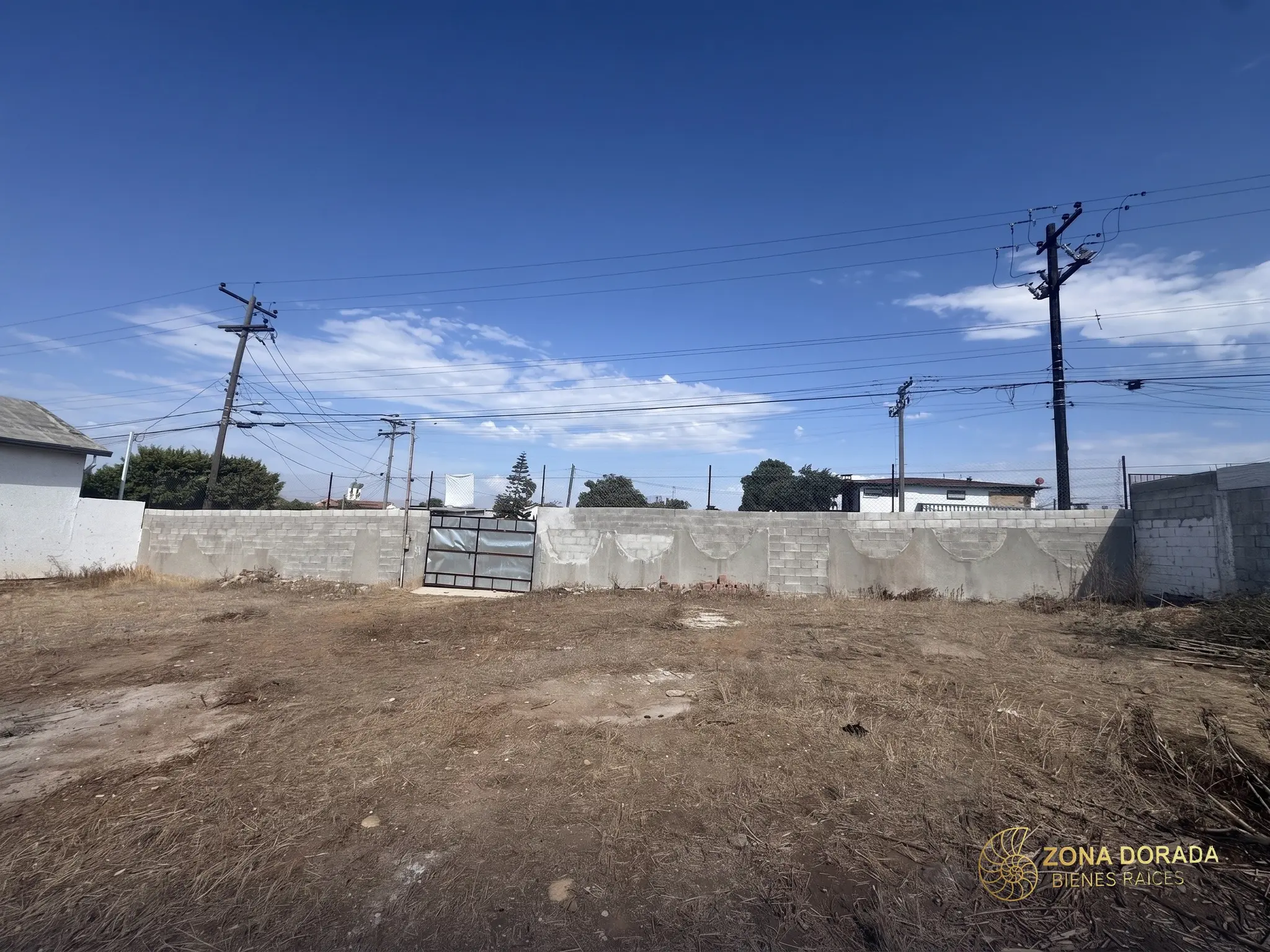
Altamira
Terreno de 900 m² bardeado y con portón, uso comercial o residencial — Av. Londres, Col. Altamira
$7,632,000
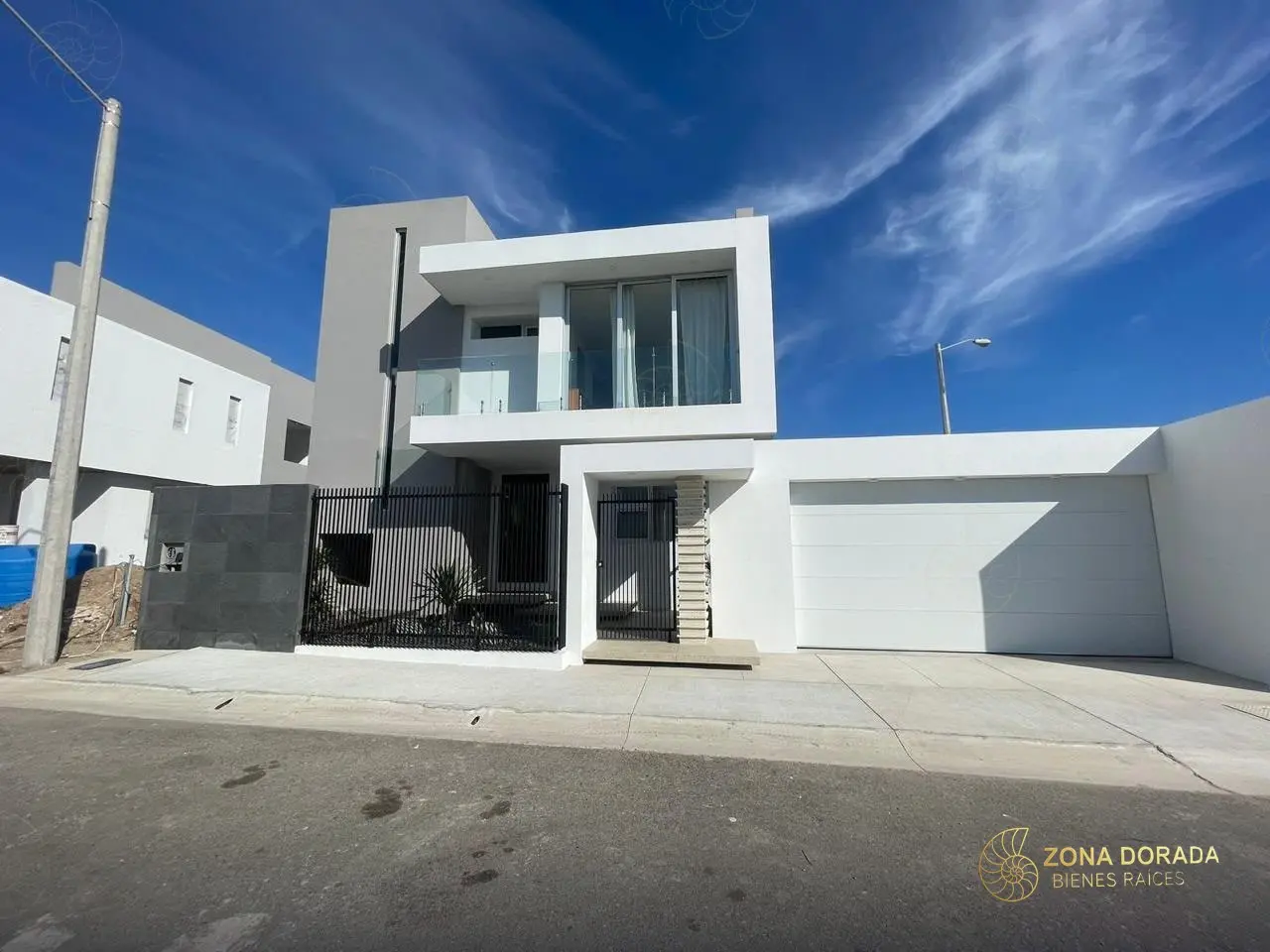
Carretera Escénica
Casa nueva de 165 m² en Sueños del Mar — Carretera Escénica
$7,632,000
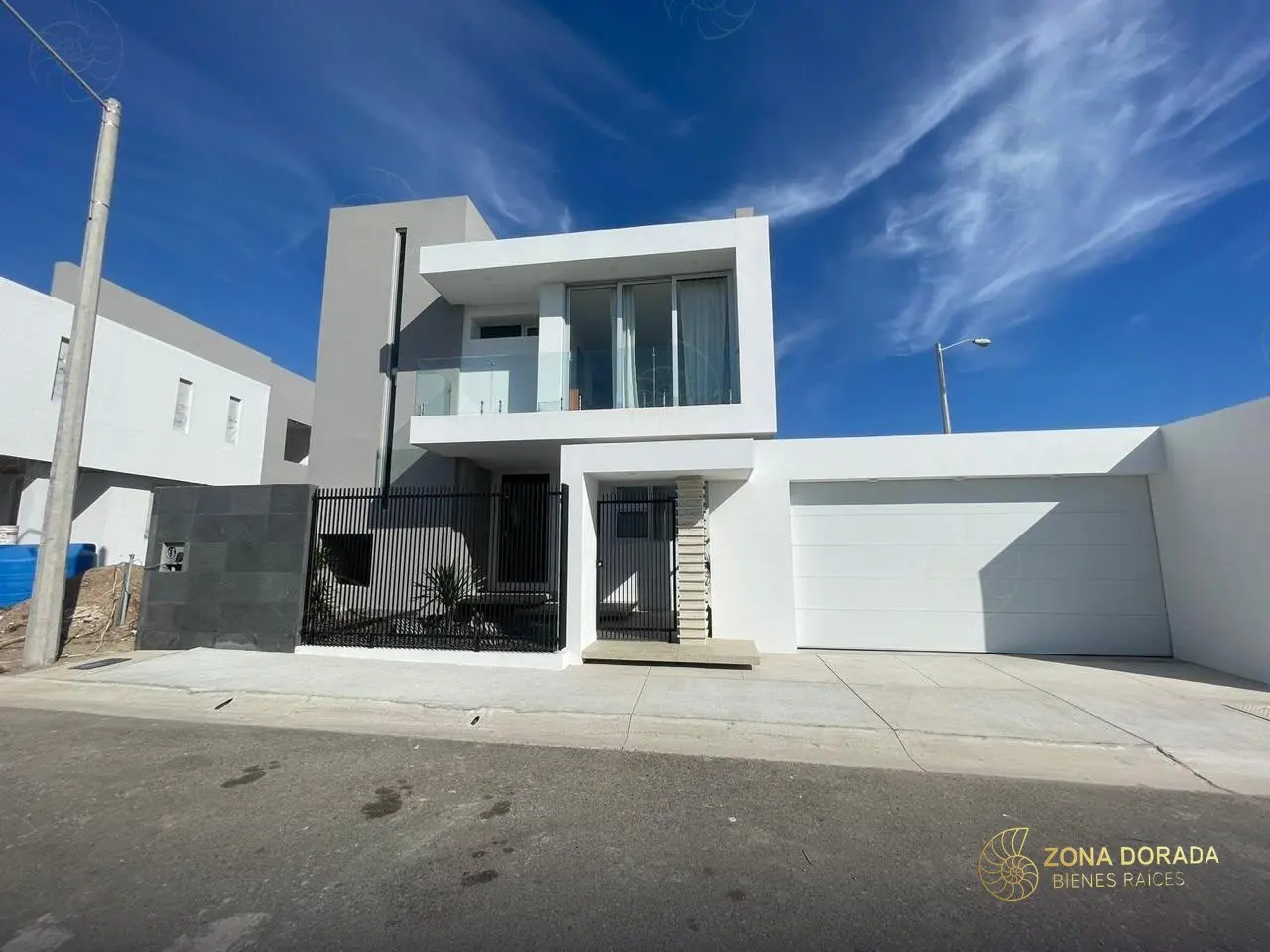
Carretera Escénica
Casa modelo con vista al mar — Sueños del Mar, Lote 13
$8,479,000
Keep reading
Buying in Mexico
What Closing Actually Costs in Tijuana
Budget 7 to 10 percent on top of the price if you are buying with a fideicomiso. Here is what each line is, who charges it, and which ones you can shop for.
7 minBuying in Mexico
What Happens to Your Mexican Property When You Die
The fideicomiso lets you name beneficiaries directly, and that is the part almost nobody explains. Done right, your heirs skip the Mexican probate process entirely.
6 minBuying in Mexico
Can a Foreigner Own Property in Tijuana? Yes — Here Is How the Fideicomiso Works
All of Tijuana sits inside Mexico's restricted zone, so a foreign buyer takes title through a bank trust. What that actually means, what it costs to budget for, and the one shortcut that costs people their house.
4 minQuestions about your case?
Every property and every buyer is different. Tell us your situation and we will tell you what to expect — in English, before you commit to anything.
Or message us: WhatsApp 663 122 9385