Cross-border
Cost of Living: Tijuana vs. San Diego, Honestly
September 1, 2026 · 4 min read
Everyone quotes a percentage. "It's 50% cheaper." "It's a third of the cost." Those numbers are useless, because they average together things that barely change and things that change enormously — and which ones dominate depends entirely on how you live.
Here is the honest structure: what actually drops, what does not, and what gets more expensive.
Prices move and vary by neighborhood and by household. Treat this as structure, not as a quote. Before you decide anything, price your own specific life.
What drops a lot
Housing. This is the big one and the reason most of this conversation happens. Comparable square footage costs a fraction of San Diego, whether you buy or rent. It is not a modest difference and it is the item that moves the entire calculation.
Property tax. The Mexican predial is dramatically lower than California property tax — typically a few hundred dollars a year rather than thousands. If you are coming from a California house, this line item alone is startling.
Household help. Cleaning, gardening, handyman work. Regular help is normal here at rates that make it accessible to ordinary households, not a luxury.
Healthcare and dental. Covered in its own guide, but the short version: routine care, dental, labs and imaging cost a fraction of U.S. prices.
Eating out, produce, and services generally. Anything where labor is the main input.
What barely changes
Anything imported or traded internationally. Electronics, appliances, cars, name-brand goods. A laptop is a laptop. Some of these are more expensive here because of import duties and a smaller market.
Gasoline. Closer to U.S. prices than most people expect, and it moves with policy. Do not build a budget assuming cheap fuel.
Anything you buy in San Diego anyway. Costco runs, U.S. subscriptions, Amazon. If you keep half your consumption on the U.S. side, half your budget stays U.S.-priced. This is the single most common reason people's real savings come in below what they projected.
What gets more expensive
Electricity, if you use air conditioning heavily. Mexican residential rates are tiered, and consumption above the subsidized threshold jumps sharply — the higher tariff is a real budget item in a house with AC running.
Water, in some areas. If a property relies on delivered water rather than reliable municipal supply, that is a recurring cost that does not exist in San Diego. Ask before you buy.
Security, in the sense that you will pay for it. Gated community fees, cameras, alarm monitoring. Modest amounts individually, and a category that mostly did not exist in your old budget.
Crossing the border. SENTRI, fuel, vehicle wear, and the cost of your time. If you cross five days a week, this is a major line item that has no San Diego equivalent.
Duplicated services. Two phone plans, two bank accounts, sometimes two insurance policies. Cross-border life has overhead.
The variable that decides everything
How much of your life stays on the U.S. side.
Someone who lives, shops, eats and gets care in Tijuana sees savings that genuinely change what they can afford. Someone who sleeps in Tijuana and does everything else in San Diego saves on housing and property tax, pays for the crossing, and lands somewhere much less dramatic.
Both are legitimate ways to live here. They are just very different financial pictures, and the mistake is projecting one while planning the other.
Build your own number
Take your current monthly budget and sort every line into three buckets:
- Drops sharply — housing, property tax, help, healthcare, local services
- Stays the same — imported goods, fuel, subscriptions, anything you will buy in the U.S. anyway
- New or higher — border crossing, HOA and security, electricity if you use AC, duplicated services
Then be honest about bucket 2. That is the bucket people underestimate, and it is the one that determines whether your savings are transformative or merely nice.
The part that is not money
Housing cost is the reason people start looking. It is rarely the reason they stay or leave.
What decides that is whether the commute is sustainable, whether you can handle a plumber and a hospital admission in Spanish, and whether you build relationships here. Those are not budget lines and they matter more than any of the above.
Where we can actually help
We can tell you what a specific property costs to own — HOA, security, predial, utilities, what water and electricity actually run in that neighborhood. Not a national average: that house.
That estimate is free, and we will give it to you in writing before you commit to anything.
Available now
Picked to match what you just read.
Altamira
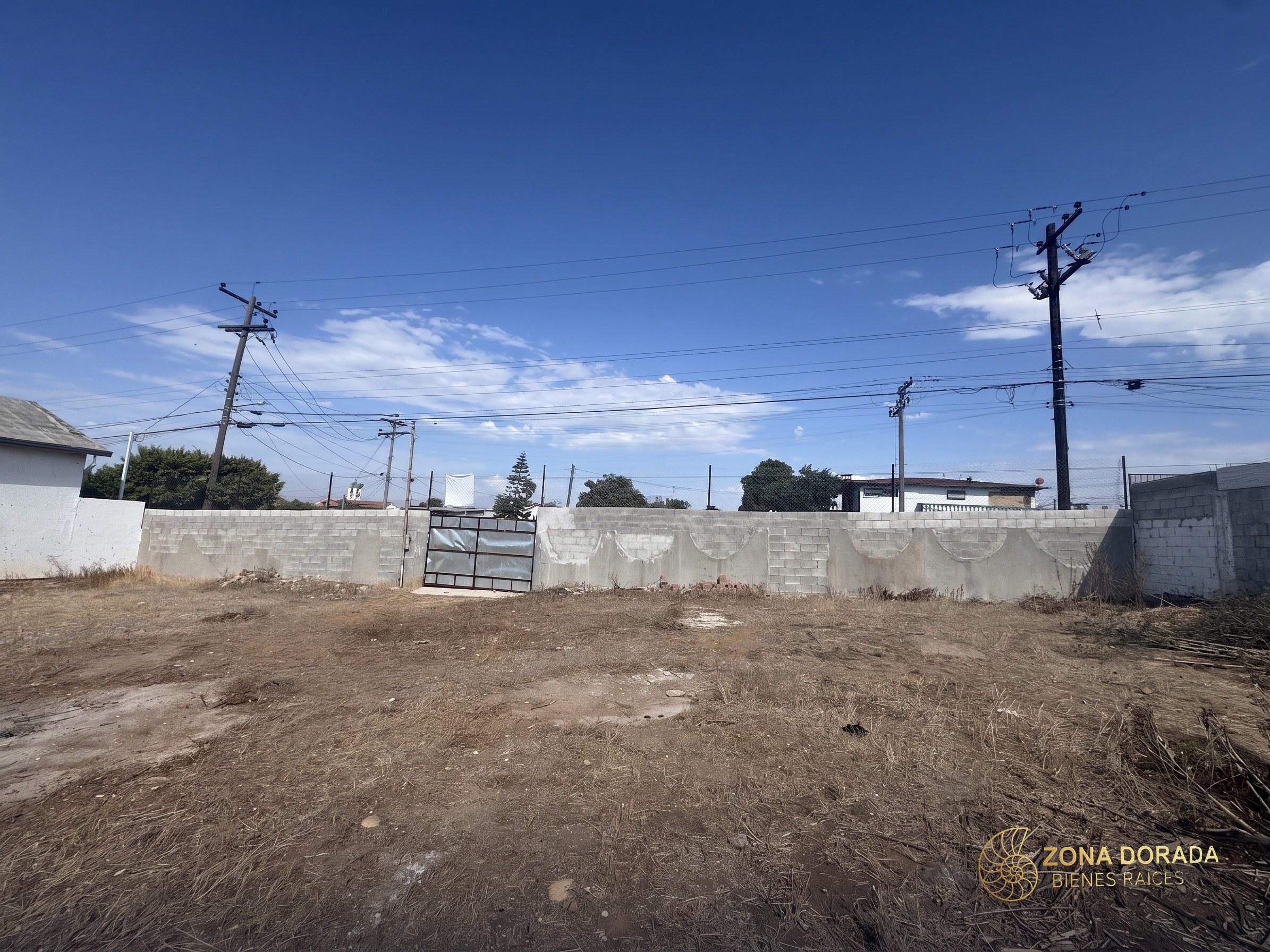
Terreno de 900 m² bardeado y con portón, uso comercial o residencial — Av. Londres, Col. Altamira
$7,632,000
Carretera Escénica
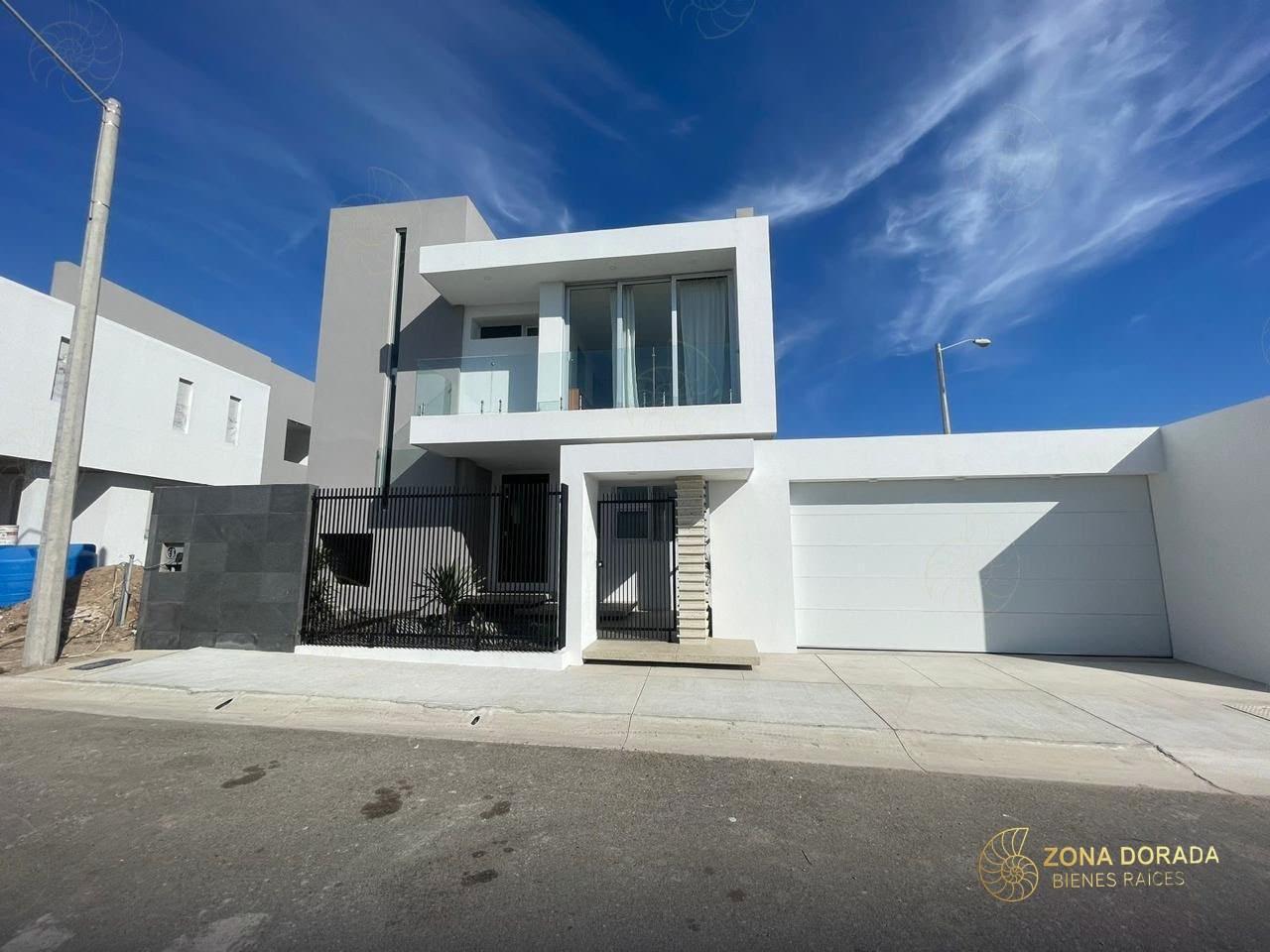
Casa nueva de 165 m² en Sueños del Mar — Carretera Escénica
$7,632,000
Carretera Escénica
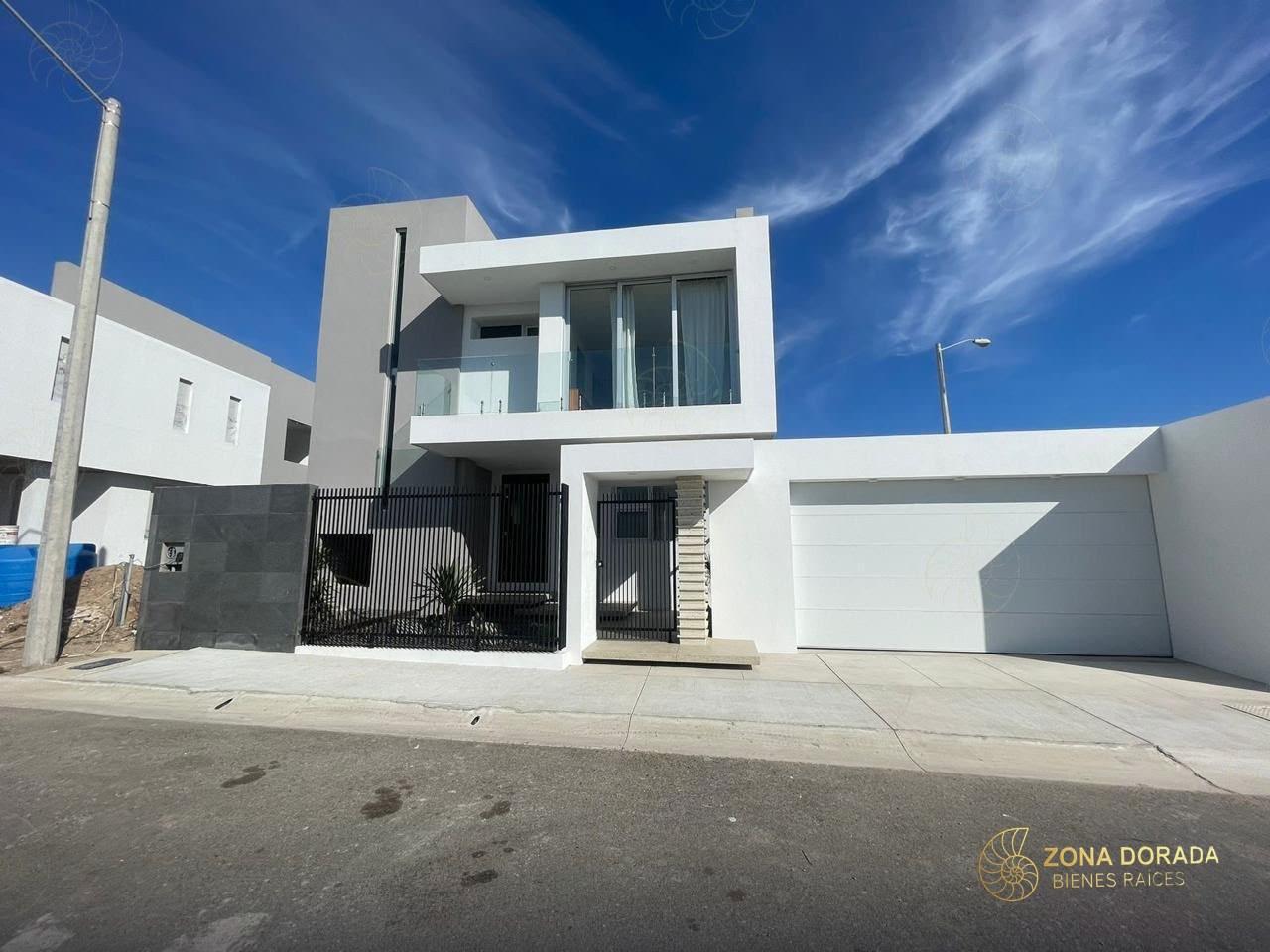
Casa modelo con vista al mar — Sueños del Mar, Lote 13
$8,479,000
Keep reading
Cross-border
Your U.S. Car Insurance Does Not Work Here
Your policy stops at the line. In Mexico an accident without coverage can put you in a holding cell, not a claims queue. What you actually need before you drive across.
7 minCross-border
Renting Out Your Tijuana Place While You Are Not There
It can work, and it works less often than the spreadsheet suggests. The reason is almost never the rent: an empty house in another country needs somebody local, and that is a real line item.
4 minCross-border
Schools in Tijuana: Three Paths, and the One Question That Decides Your Neighborhood
Many children here live in Tijuana and attend school in San Diego. Whether that is your plan changes which neighborhood you should look at — so decide it before you decide the house.
3 minQuestions about your case?
Every property and every buyer is different. Tell us your situation and we will tell you what to expect — in English, before you commit to anything.
Or message us: WhatsApp 663 122 9385