Cross-border
Schools in Tijuana: Three Paths, and the One Question That Decides Your Neighborhood
September 2, 2026 · 3 min read
If you are moving a family, this question outranks the house. It also has a wrinkle that does not exist anywhere else: a large number of children who live in Tijuana attend school in San Diego, every day, across the border.
Whether that is your plan or not changes which neighborhood you should be looking at — so decide it before you decide the house.
Three paths, not two
Mexican private school. This is what most middle-class families here use, and what most American families settling in Tijuana end up choosing. Range is wide: bilingual schools with strong programs, religious schools, and everything in between. Tuition is a fraction of U.S. private school. Curriculum follows SEP, the Mexican education authority, with English taught at varying intensity.
Mexican public school. Free, available to residents, and the practical reality is that quality varies a great deal by school. Families who use it well are usually families who already speak Spanish and know the specific school.
Cross-border schooling. The child lives in Tijuana and attends school in San Diego County. This is common enough here that it has its own rhythm — early mornings, SENTRI lanes, carpools. It requires the child to be legally entitled to attend, which generally means U.S. citizenship or lawful residence, plus meeting the district's residency rules. Those rules are enforced, and they vary by district. Verify with the specific district before you build a life around it.
The question that decides your neighborhood
If school is in San Diego, your commute is the child's commute. That is a different calculation than yours.
A crossing that is tolerable for you twice a week is a different thing at 6am every school day, with a child who has to be in a classroom at a fixed hour. Border wait times are not predictable enough to leave zero margin, so families doing this cluster near the crossings they use and treat SENTRI as essential rather than optional.
If school is in Tijuana, your options open up. The city has good private schools in several areas, and you are choosing on the ordinary criteria — distance, program, fit — rather than on border logistics.
This is the single biggest input into where you should look. Answer it first.
Revalidation, if you are moving mid-education
Moving a child between the U.S. and Mexican systems requires revalidación de estudios — official recognition of prior schooling by Mexican education authorities. It is a documented process, it takes time, and it typically needs the transcripts apostilled and translated.
Start it before the move, not after. The most avoidable problem here is a child who cannot enroll on time because the paperwork was begun in August.
The reverse direction — Mexican school to U.S. school — is handled by the receiving district and rules vary. Ask them directly.
What to actually ask a school
Go in person. Ask the questions whose answers tell you something:
- How much of the day is in English, by grade? "Bilingual" covers an enormous range.
- What happens if my child arrives with no Spanish? Is there support, or are they expected to keep up?
- What is the teacher turnover? High turnover tells you more about a school than its facilities.
- What do graduates do next? Mexican universities, U.S. universities, both?
- What is the total annual cost? Tuition, inscription, uniforms, materials, transport, and the extras that appear during the year.
- Can I speak with two current parents? A school that hesitates is answering.
The part that is not logistics
Children adapt to a new language faster than adults expect and faster than their parents do. What decides how well it goes is rarely the school: it is whether the family builds a life on this side — neighbors, weekends here, friendships that are not conditional on the border.
Families who treat Tijuana as a place they sleep tend to have children who feel they live nowhere. That is the risk worth planning against, and it is not solved by tuition.
Where we can help
We are not education consultants and we will not rank schools for you. What we can do is tell you which neighborhoods the families we work with chose for each of the three paths, and what their morning actually looks like.
That, and being honest when a house you like is in the wrong place for the school you want.
Available now
Picked to match what you just read.
Altamira
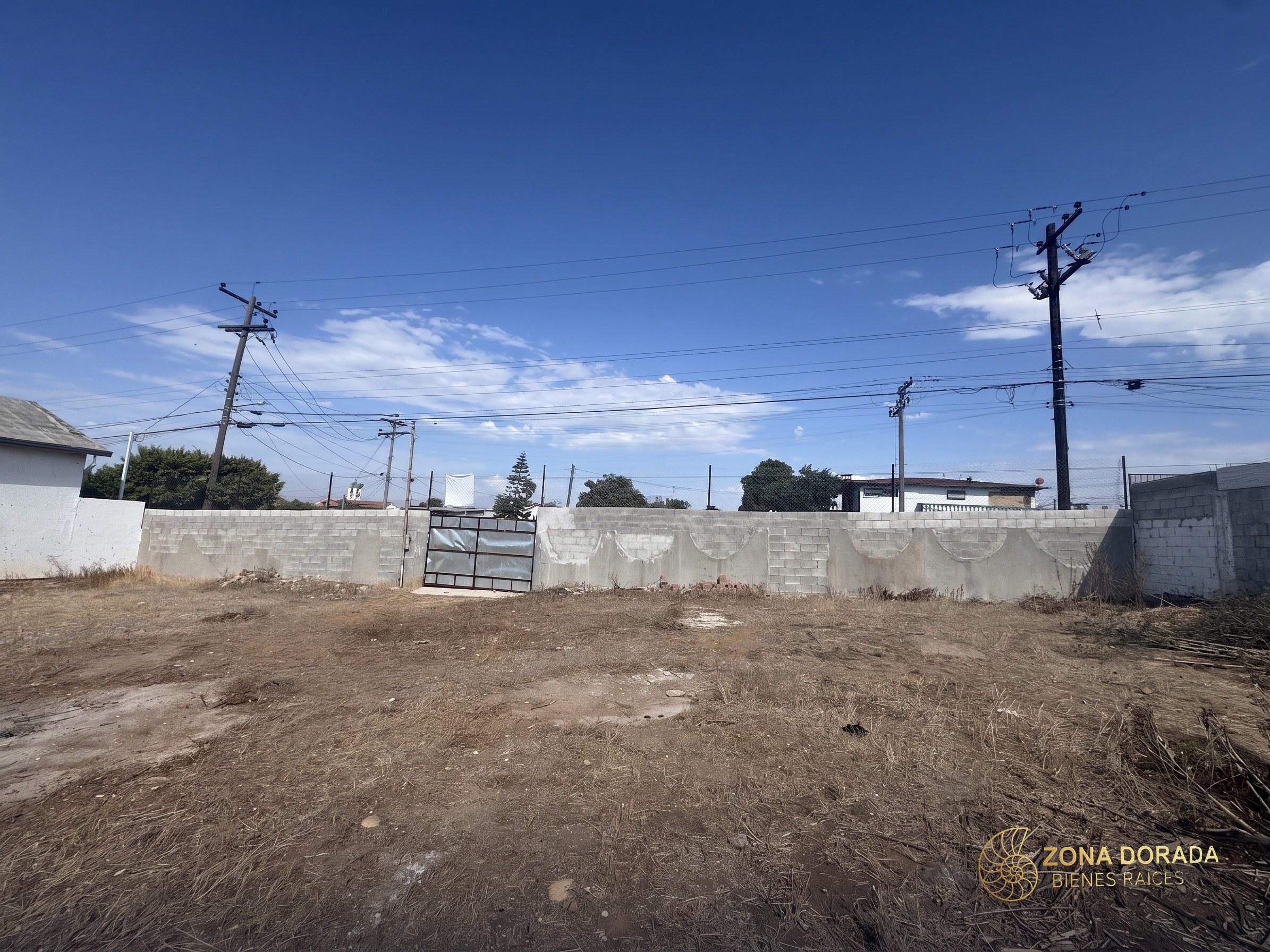
Terreno de 900 m² bardeado y con portón, uso comercial o residencial — Av. Londres, Col. Altamira
$7,632,000
Carretera Escénica
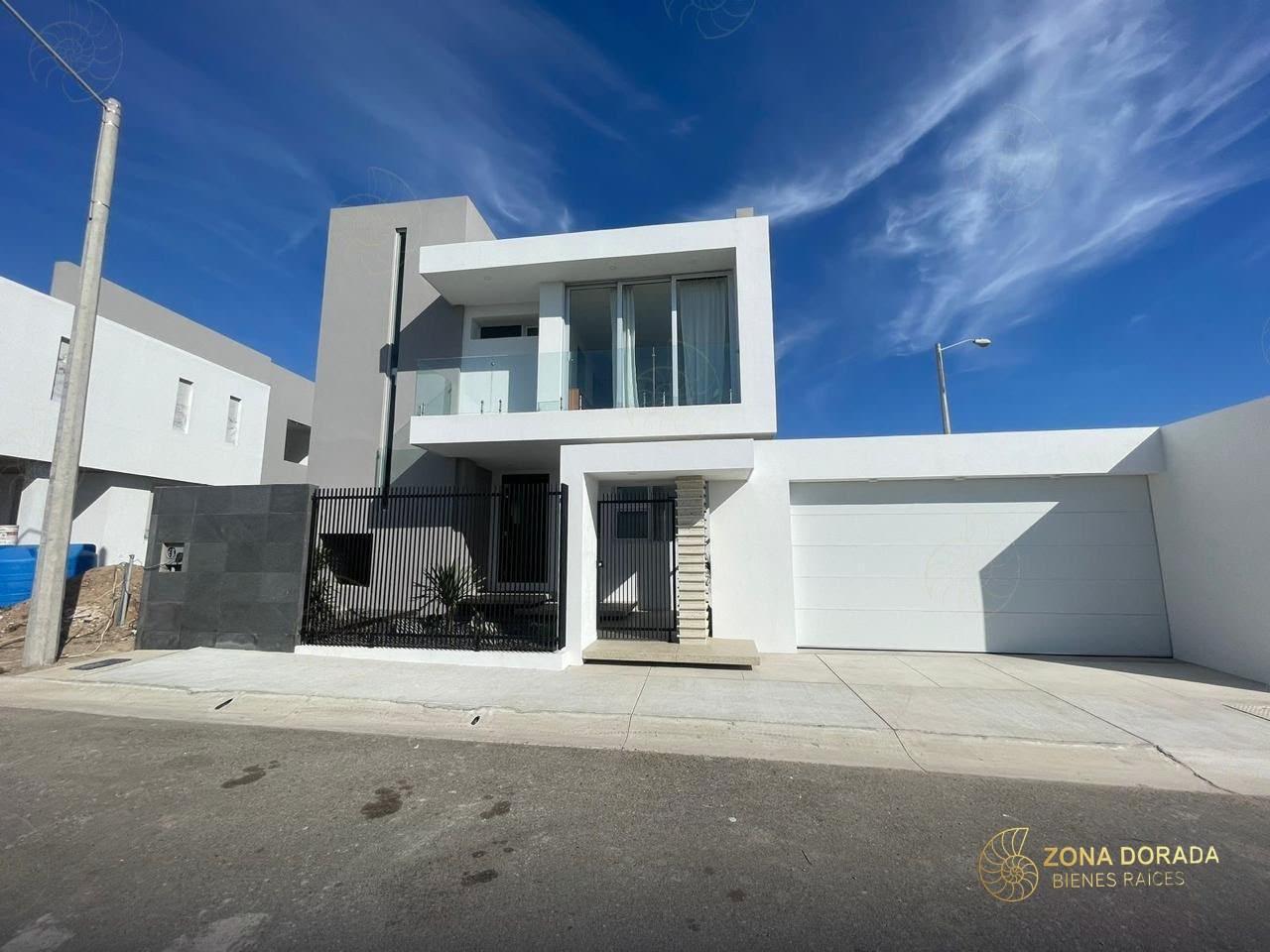
Casa nueva de 165 m² en Sueños del Mar — Carretera Escénica
$7,632,000
Carretera Escénica
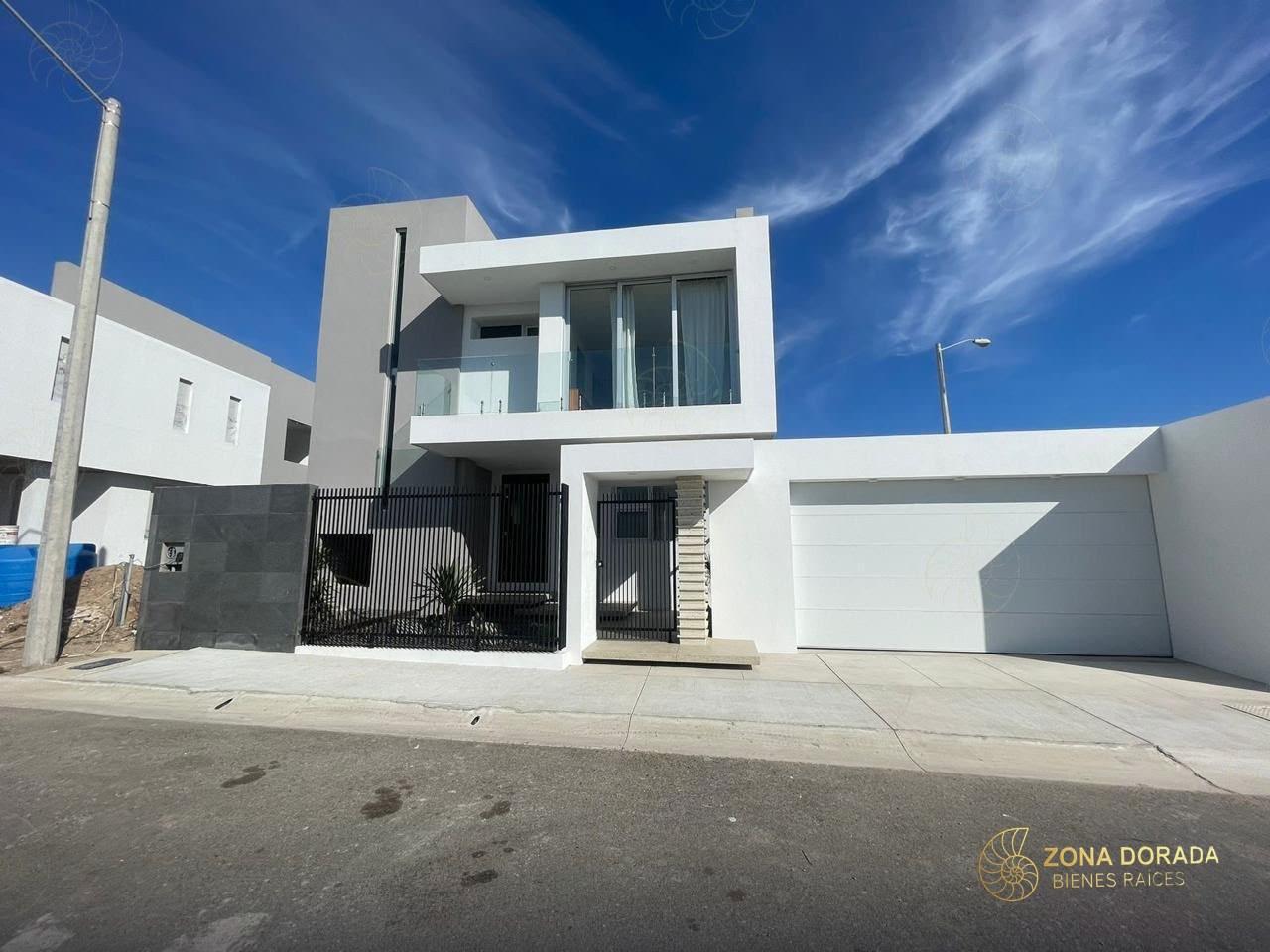
Casa modelo con vista al mar — Sueños del Mar, Lote 13
$8,479,000
Keep reading
Cross-border
Your U.S. Car Insurance Does Not Work Here
Your policy stops at the line. In Mexico an accident without coverage can put you in a holding cell, not a claims queue. What you actually need before you drive across.
7 minCross-border
Renting Out Your Tijuana Place While You Are Not There
It can work, and it works less often than the spreadsheet suggests. The reason is almost never the rent: an empty house in another country needs somebody local, and that is a real line item.
4 minCross-border
Cost of Living: Tijuana vs. San Diego, Honestly
Everyone quotes a percentage and the percentage is useless. What actually drops, what barely changes, and what gets more expensive — plus the one variable that decides whether your savings are transformative or merely nice.
4 minQuestions about your case?
Every property and every buyer is different. Tell us your situation and we will tell you what to expect — in English, before you commit to anything.
Or message us: WhatsApp 663 122 9385