Cross-border
Healthcare and Insurance if You Live in Tijuana
September 1, 2026 · 4 min read

After "is it safe," this is the question. And it deserves a better answer than "healthcare here is cheap," which is true and not useful.
This is general orientation, not medical or insurance advice. What applies to you depends on your age, your conditions and your immigration status. Talk to an insurance broker who works both sides of the border before you rely on any of it.
There are three systems, not one
Private. Private hospitals and specialists, paid out of pocket or through private insurance. This is what most Americans living here actually use, and it is where the cost difference is dramatic — often a fraction of the U.S. price for the same procedure, without the same wait.
IMSS. Mexico's social security system. You can enroll voluntarily as a resident, and the annual cost is low. The catch is real: there are waiting periods before pre-existing conditions are covered, some conditions are excluded, and you are assigned to a clinic rather than choosing your doctor. It is a genuine safety net, not a replacement for private care.
IMSS-Bienestar, for people without social security. Not the route for a foreign resident planning ahead.
Most Americans here end up with private insurance, or they pay cash for routine care and carry a policy for catastrophic events. Both are reasonable. What is not reasonable is having neither.
Your U.S. coverage does not follow you
This is the one that surprises people.
Medicare does not cover care in Mexico. Not at the border, not for an emergency, essentially not at all. If you are on Medicare and you move here, you are paying out of pocket or you have a Mexican policy — and if you keep paying your Part B premium while living here, understand what you are and are not buying.
Most U.S. employer plans and ACA marketplace plans do not cover routine care abroad either, and emergency coverage varies enormously. Read your actual policy, not the summary.
Travel medical insurance is not health insurance. It covers an incident on a trip. It is not a plan for living somewhere.
What people actually do
Three patterns, all common on this border:
Cash for routine, insurance for catastrophic. A doctor's visit, dental work, labs and imaging are affordable enough here that paying cash is often simpler than filing anything. Then a Mexican major-medical policy for the events that would otherwise be ruinous.
Full private Mexican coverage. Available to foreign residents, priced well below U.S. equivalents, with the usual insurance realities: pre-existing conditions, waiting periods, and networks. Read the exclusions with more attention than the brochure.
Keeping a U.S. plan and crossing for care. Works if you cross easily and your plan's network is in San Diego. Understand that "crossing easily" means SENTRI or Ready Lane, and that an emergency does not wait for a border queue.
The emergency plan, which is the actual point
Insurance is the financial question. This is the practical one, and it matters more.
Know your nearest private hospital by name, and how to get there. Not "there's a hospital nearby." The name, the address, and the route from your house.
Do not assume 911 works the way it does in California. Response times and capabilities vary. Many residents keep a private ambulance service number, and some private hospitals offer a membership that includes transport.
Keep a one-page medical summary in Spanish: conditions, medications with generic names, allergies, blood type, and an emergency contact who speaks Spanish. Put it in your wallet and a photo of it on your phone. This is the single cheapest, highest-value thing on this list.
Know where to get medications. Most drugs are available and many are less expensive, but the categories requiring a prescription are not identical to the U.S. list, and controlled substances are handled differently. If you take something regularly, sort this out in your first month, not when you run out.
Dental and vision
The reason a lot of people were already crossing before they thought about moving. Dental work, glasses and elective procedures are a well-established cross-border market here, with a wide quality range.
The wide range is the point: ask for credentials, ask where they trained, ask to see completed work. The good practitioners expect those questions and answer them easily. The ones who bristle are telling you something.
Questions to ask before you move, not after
- Does my current U.S. plan cover anything here — routine, emergency, or nothing?
- If I am on Medicare, what is my plan for care in Mexico?
- What is my nearest private hospital, and what does a night there cost?
- Am I insurable here given my age and history, and what is the waiting period?
- Who do I call at 2am, and does that person speak my language?
If you can answer those five, you are better prepared than most people who have lived here for years.
Where we can help
We are not insurance brokers and we will not pretend to be. What we can do is point you to brokers who handle cross-border clients daily, and tell you which hospitals are near a property you are considering — which is a real factor in choosing a neighborhood, and one almost nobody weighs until they need it.
Available now
Picked to match what you just read.
Altamira
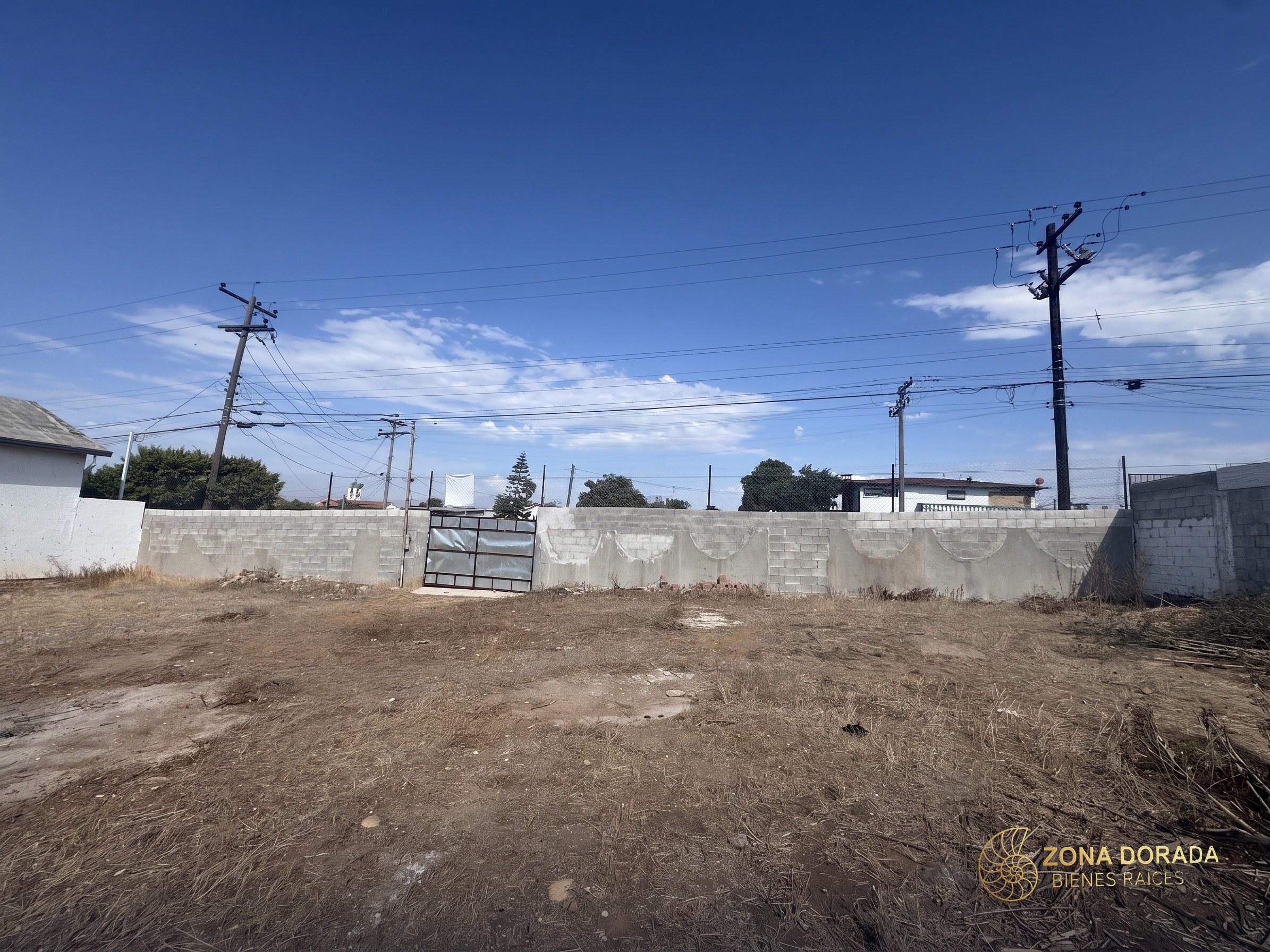
Terreno de 900 m² bardeado y con portón, uso comercial o residencial — Av. Londres, Col. Altamira
$7,632,000
Carretera Escénica
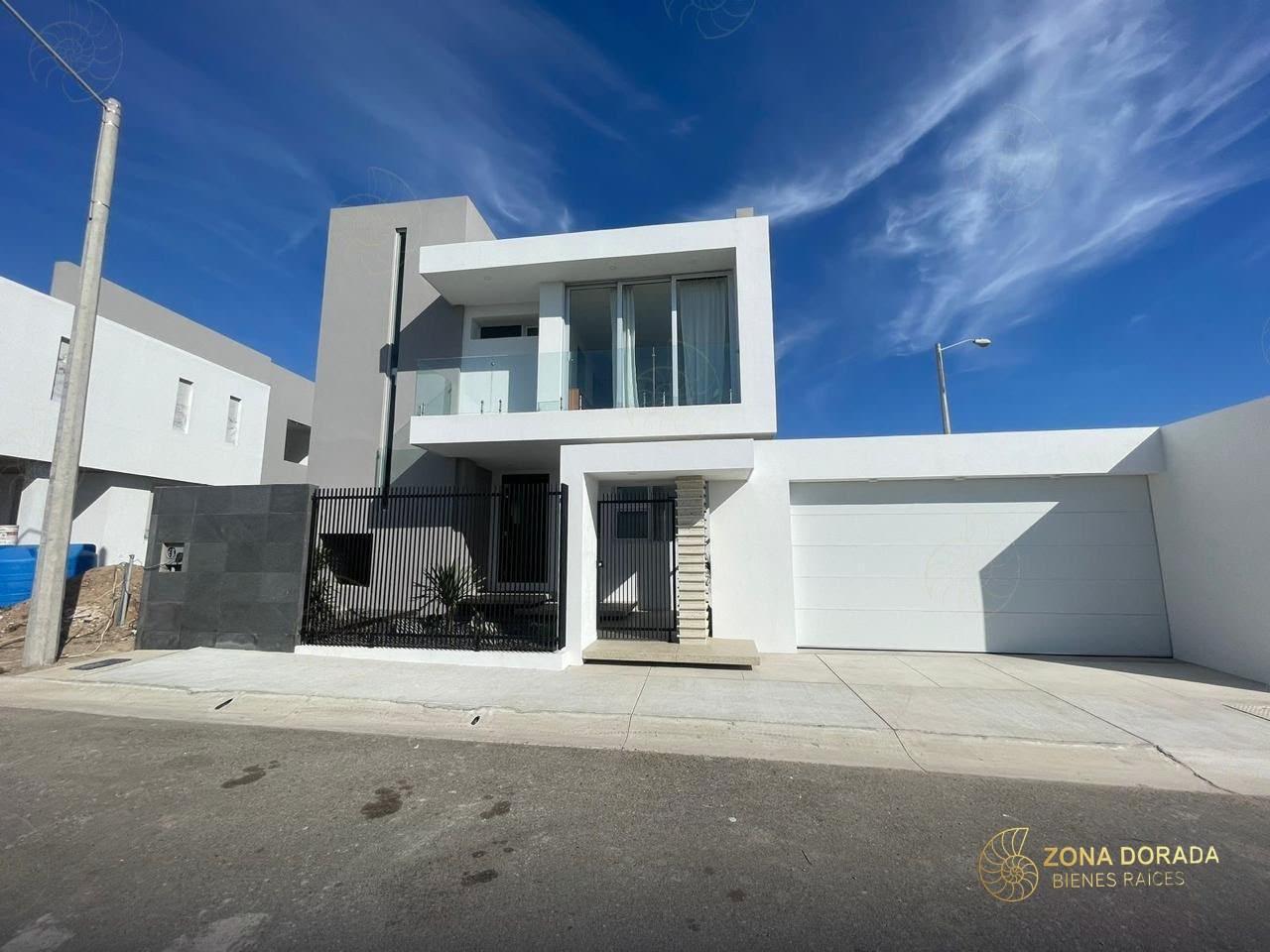
Casa nueva de 165 m² en Sueños del Mar — Carretera Escénica
$7,632,000
Carretera Escénica
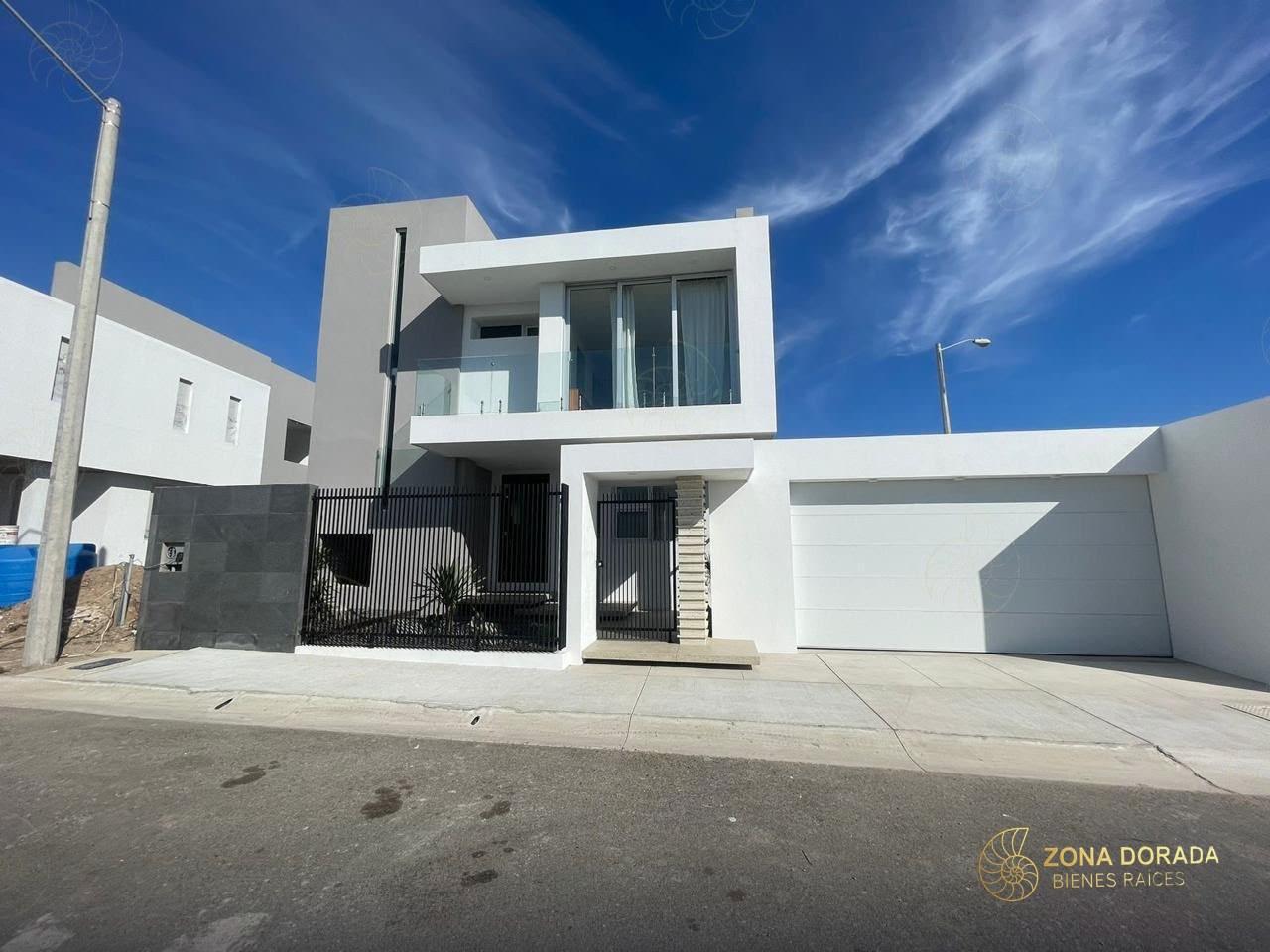
Casa modelo con vista al mar — Sueños del Mar, Lote 13
$8,479,000
Keep reading
Cross-border
Your U.S. Car Insurance Does Not Work Here
Your policy stops at the line. In Mexico an accident without coverage can put you in a holding cell, not a claims queue. What you actually need before you drive across.
7 minCross-border
Renting Out Your Tijuana Place While You Are Not There
It can work, and it works less often than the spreadsheet suggests. The reason is almost never the rent: an empty house in another country needs somebody local, and that is a real line item.
4 minCross-border
Schools in Tijuana: Three Paths, and the One Question That Decides Your Neighborhood
Many children here live in Tijuana and attend school in San Diego. Whether that is your plan changes which neighborhood you should look at — so decide it before you decide the house.
3 minQuestions about your case?
Every property and every buyer is different. Tell us your situation and we will tell you what to expect — in English, before you commit to anything.
Or message us: WhatsApp 663 122 9385