Cross-border
Is Tijuana Safe? The Honest Answer Nobody Gives You
September 1, 2026 · 4 min read
Every American who considers buying here has this question, and almost nobody asks it out loud to a real estate agent — because they assume the answer will be a sales pitch.
Fair assumption. So here is the honest version, including the parts that are not flattering.
What we are not going to tell you
We are not going to tell you the news is fake. Tijuana has real violence, it has had bad years, and it shows up in international coverage. Pretending otherwise would insult you and would be the fastest way to lose your trust the first time you read a headline.
We are also not going to hand you a statistic. City-wide crime numbers are a terrible tool for this decision, in both directions — they get used to scare people and to reassure them, and they answer a question you are not actually asking.
The question you are actually asking
You are not asking "what is the citywide rate." You are asking: if I live in this specific place, going about my specific life, what is my exposure?
That is a different question and it has a more useful answer.
Most of the violence that makes headlines here is concentrated: specific neighborhoods, specific hours, and overwhelmingly tied to a conflict between organized groups. It is not evenly distributed across the city, and residents know exactly where and when it concentrates — the same way people in any large city do.
This is why the honest answer is not a number. It is a set of questions about the specific property.
The questions that actually matter
Ask these about any property, and ask them of someone who lives here:
What is this street like at 10pm on a Tuesday? Not at noon on a Saturday, which is when showings happen. Go back at night. If an agent discourages that, that tells you something.
Is it a gated community, and what does the gate actually mean? There is a large difference between a guarded entrance with cameras and controlled access, and a gate that stands open. Ask who pays for security, whether the HOA fee covers it, and whether the cameras work — not whether they exist.
Where do the neighbors work and how do they get there? A street full of families who cross to San Diego every morning behaves differently than one that empties out.
What is the nearest main avenue and how do you leave? Being one turn from a well-lit main road matters more than most people expect.
Who is around during the day? Schools, a corner store with an owner who knows everyone, foot traffic. Empty streets are the actual risk factor, and they are the one you can see for yourself.
What is genuinely different from San Diego
Not worse, in every case. Different, and worth planning for.
Gated living is normal here, not premium. In much of coastal California a gated community signals luxury. In Tijuana it is the standard middle-class arrangement, and the fees are usually modest. You will likely end up in one, and that is unremarkable.
Nobody leaves the car unlocked. Casual property crime is more common than in most San Diego neighborhoods. Cars in the driveway, packages, things visible through a window. It is an adjustment of habit, not a state of siege.
Emergency response is not the same. Do not assume 911 behaves the way it does in California. Know your nearest private hospital, have its number, and know how you would get there. Many residents carry private medical coverage — it is affordable and it changes the experience substantially.
The border is a real variable in your life. Wait times affect everything: work, medical appointments, whether you go over for the weekend. If you will cross regularly, SENTRI or a Ready Lane is not a nice-to-have, it is the difference between a commute and an ordeal.
Who does well here and who does not
The Americans who settle in well tend to have three things: they picked a neighborhood deliberately instead of by price alone, they speak enough Spanish to handle a plumber and a hospital admission, and they have local relationships — neighbors, a mechanic, someone who answers the phone.
The ones who struggle tend to have bought remotely, treated the house as an investment they visit twice a year, and have no one here. An empty house with an absent owner is a different risk profile than an occupied one, in any country.
What we do about it
We tell you when a property is in a place we would not choose, even when that costs us the sale. That is not generosity — a client who bought somewhere they end up regretting is not a client, it is a complaint with a five-year memory.
We will go with you to see a property at night. We will tell you which street is different from the next one over, because we live here and our family lives here. And if what you want is a level of certainty that this city cannot honestly offer you, we will say that too.
The short version
Tijuana is not uniformly dangerous and it is not uniformly safe, and neither generalization will help you buy well. Location within the city matters enormously, more than in most American cities. Visit at night, ask specific questions about the specific street, talk to people who live there, and be suspicious of anyone — including an agent — who answers this question with a number instead of an address.
Available now
Picked to match what you just read.
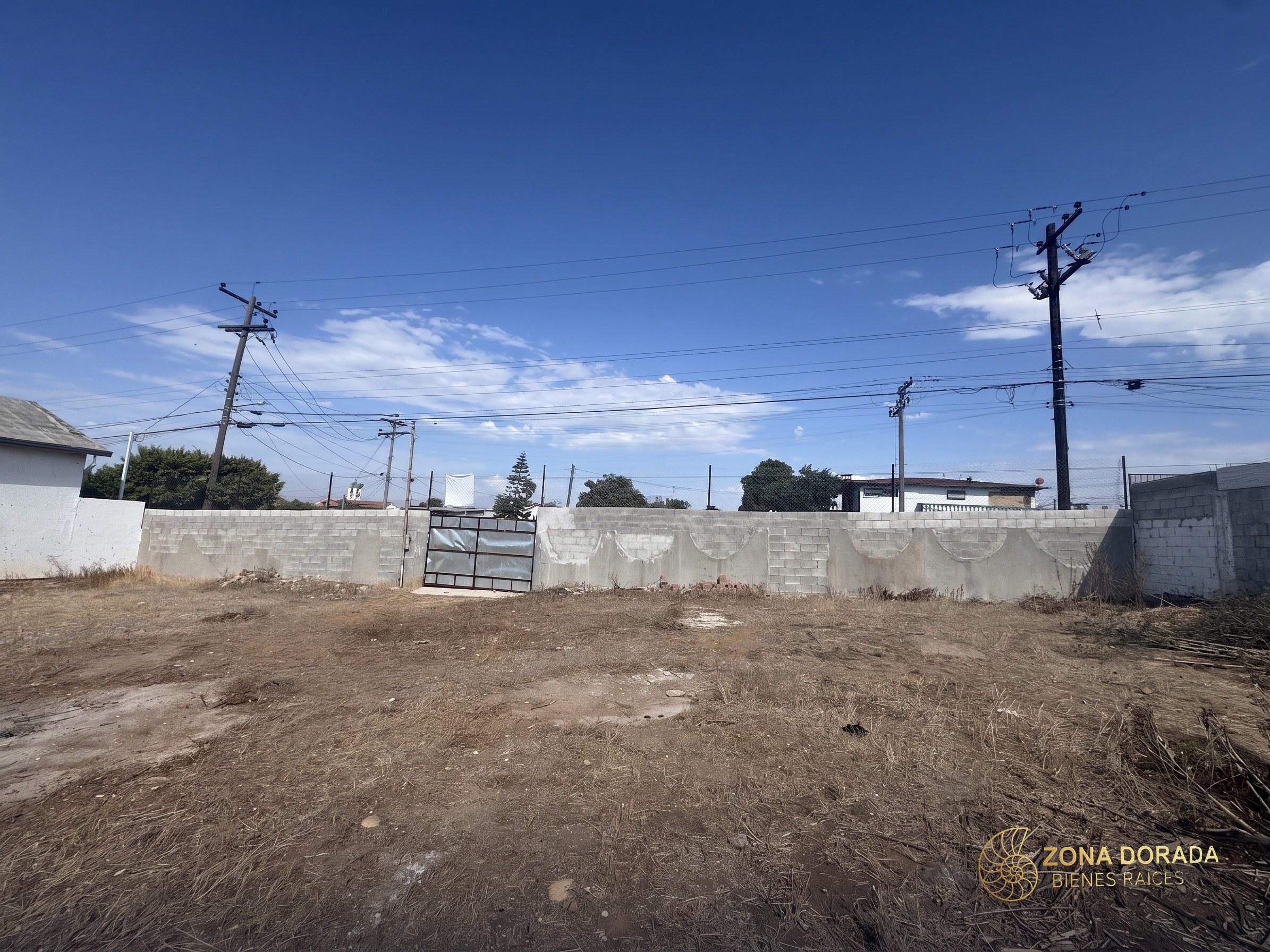
Altamira
Terreno de 900 m² bardeado y con portón, uso comercial o residencial — Av. Londres, Col. Altamira
$7,632,000
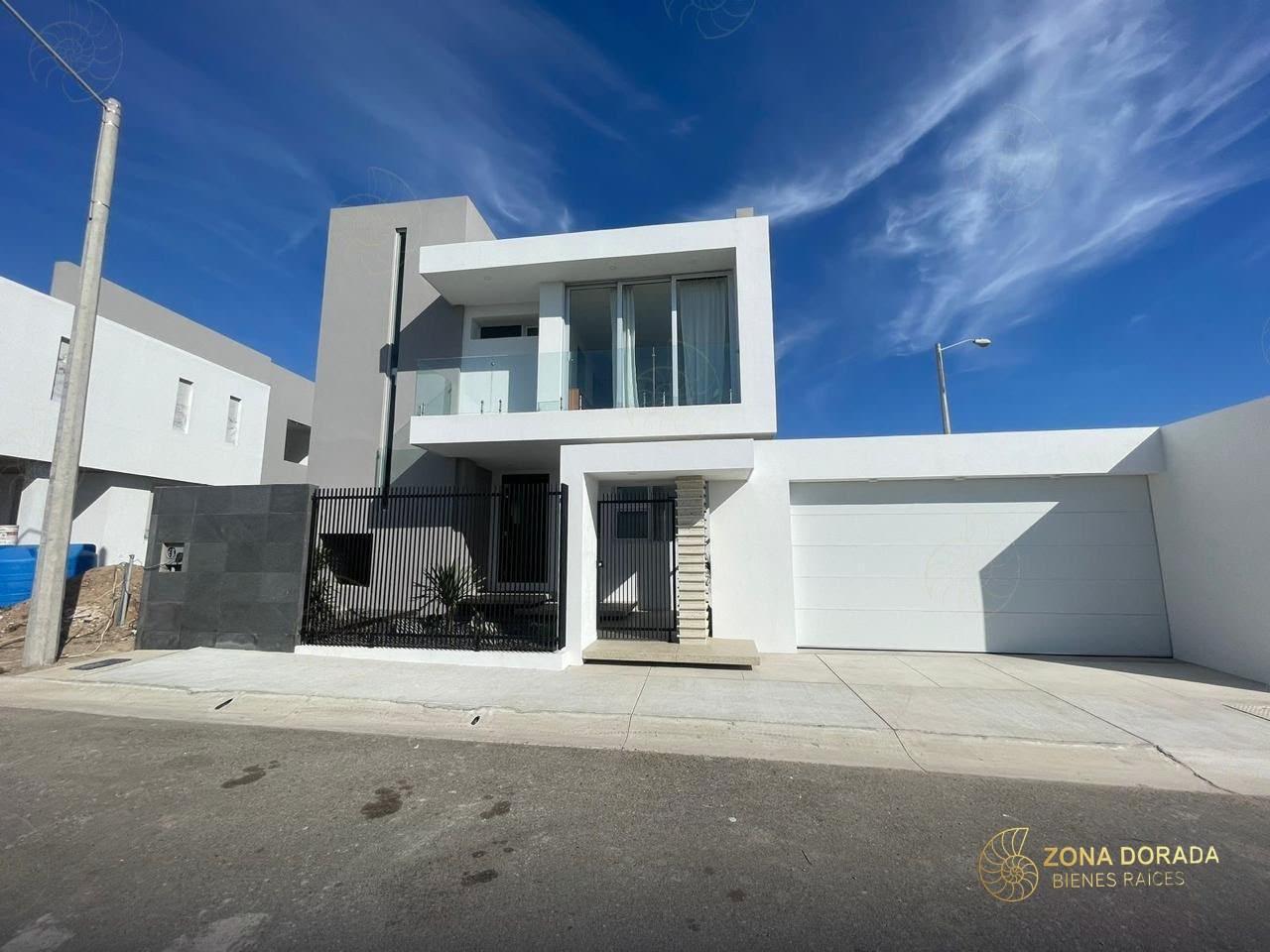
Carretera Escénica
Casa nueva de 165 m² en Sueños del Mar — Carretera Escénica
$7,632,000
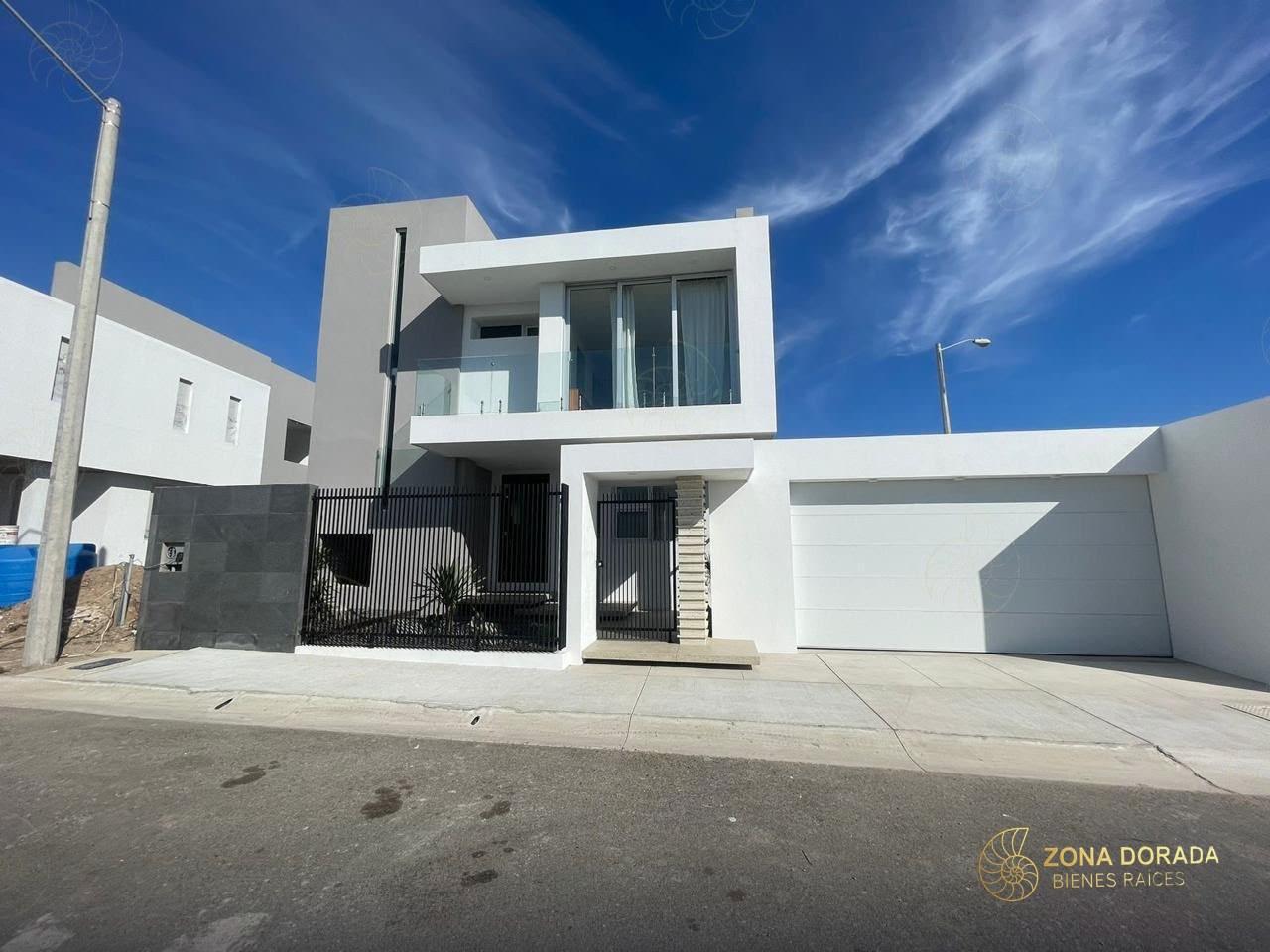
Carretera Escénica
Casa modelo con vista al mar — Sueños del Mar, Lote 13
$8,479,000
Keep reading
Cross-border
Your U.S. Car Insurance Does Not Work Here
Your policy stops at the line. In Mexico an accident without coverage can put you in a holding cell, not a claims queue. What you actually need before you drive across.
7 minCross-border
Renting Out Your Tijuana Place While You Are Not There
It can work, and it works less often than the spreadsheet suggests. The reason is almost never the rent: an empty house in another country needs somebody local, and that is a real line item.
4 minCross-border
Schools in Tijuana: Three Paths, and the One Question That Decides Your Neighborhood
Many children here live in Tijuana and attend school in San Diego. Whether that is your plan changes which neighborhood you should look at — so decide it before you decide the house.
3 minQuestions about your case?
Every property and every buyer is different. Tell us your situation and we will tell you what to expect — in English, before you commit to anything.
Or message us: WhatsApp 663 122 9385